


Professional manufacturer of asphalt equipment
27
2026-04
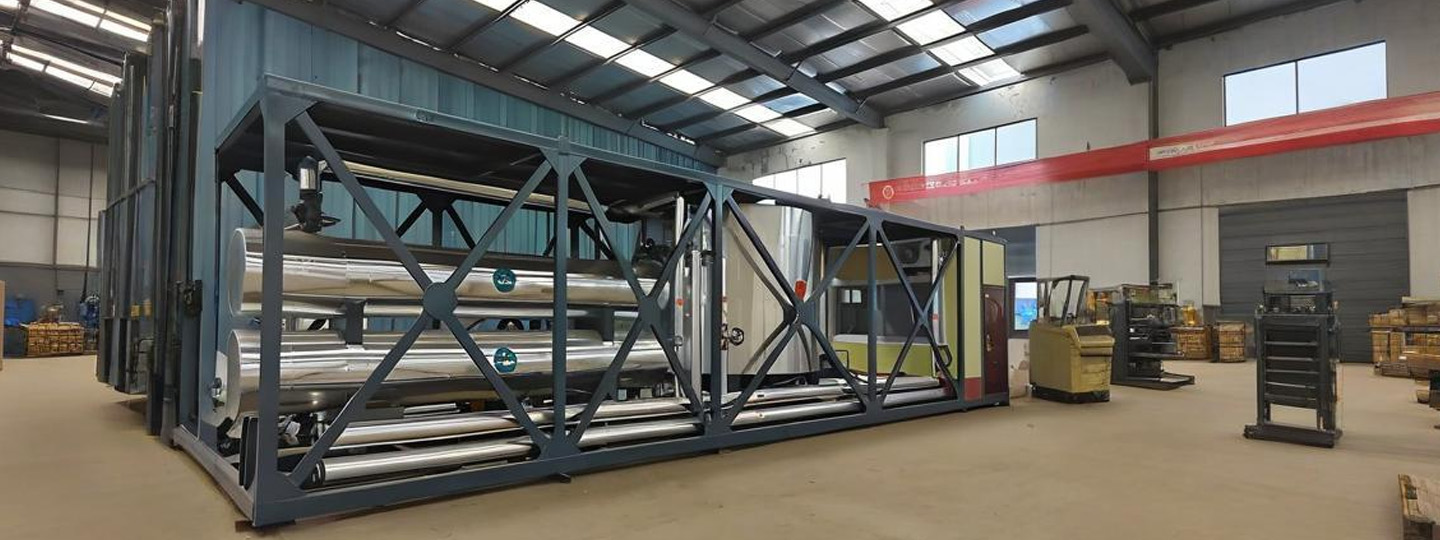
Industrial Emulsified Asphalt Equipment Stable Production
Industrial Emulsified Asphalt Equipment is specially developed for large-scale, long-term and continuous asphalt production. With heavy-duty structural design, mature processing te...
27
2026-04
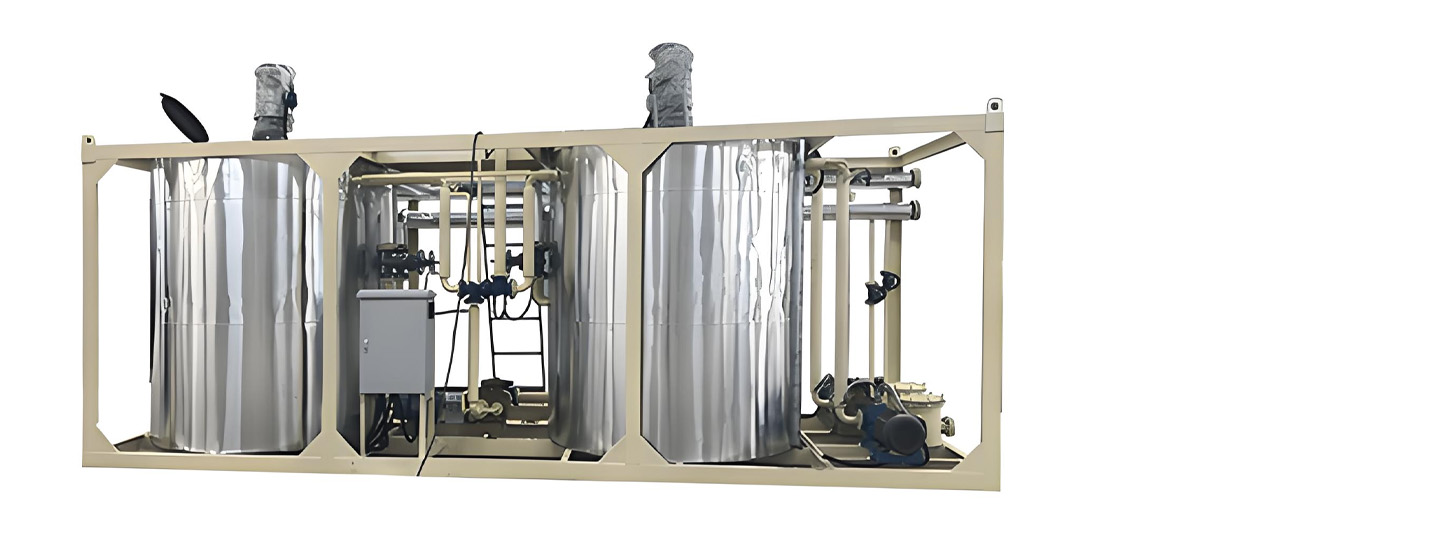
Environmental Friendly Emulsified Asphalt Equipment Pollution Free
Environmental Friendly Emulsified Asphalt Equipment is a new generation of green road machinery designed for modern low-carbon construction requirements. It features closed circula...
27
2026-04
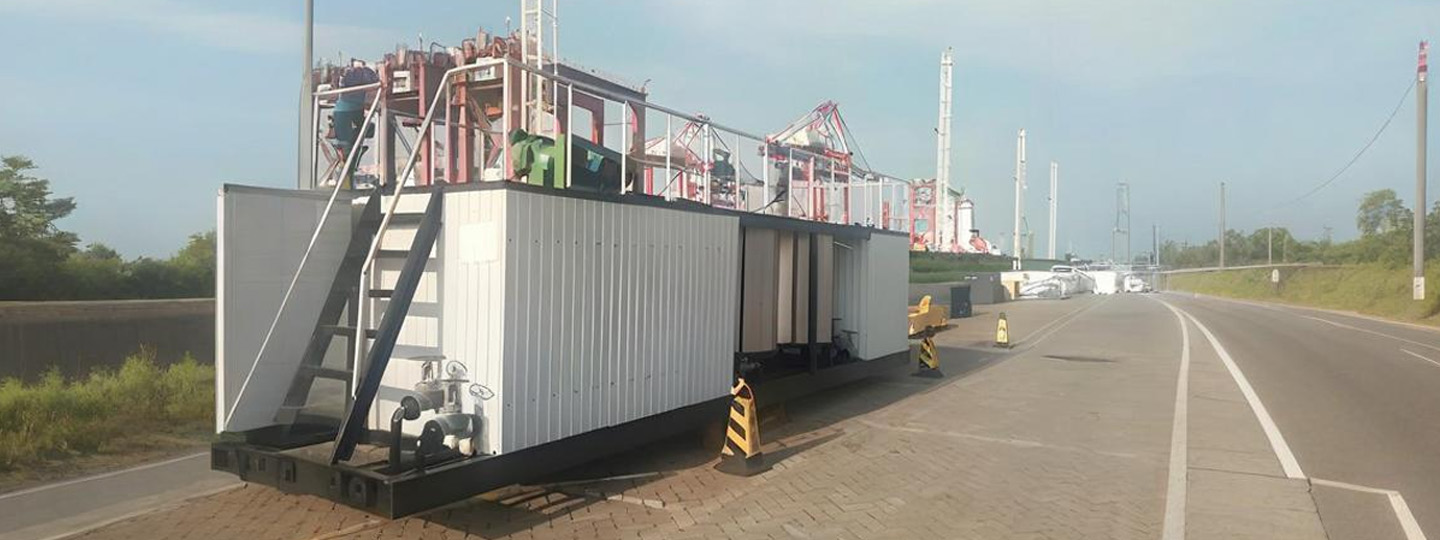
High Shear Emulsified Asphalt Equipment Fine Granularity
High shear emulsified asphalt equipment is core professional machinery for producing high-quality emulsified asphalt. With advanced high-speed shearing and ultrafine grinding techn...
21
2026-04
Safety Operation Rules for Modified Asphalt Production Equipment
Modified asphalt equipment involves high-temperature heating, mechanical mixing, colloid milling, and pressure pipeline systems. Strict operating specifications must be followed to...
21
2026-04
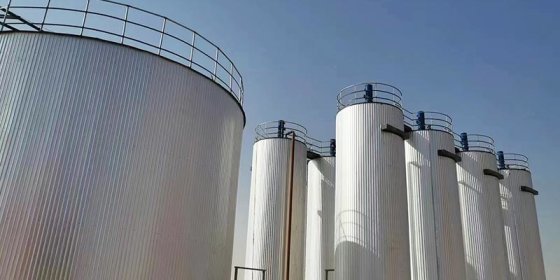
Safety Standards and Operation Rules for Asphalt Tanks
Asphalt tanks store and heat high-temperature bitumen, which involves fire, burn, scalding, and explosion risks. Strict compliance with safety standards and operating procedures is...
21
2026-04
Common Faults in Modified Asphalt Equipment and Troubleshooting Methods
1. Asphalt temperature is too high or cannot risePossible CausesHeating system abnormal (burner / thermal oil / electric heating)Temperature sensor failure or misalignmentInsulatio...
16
2026-04
Asphalt Tank Level Measurement and Automatic Control Systems
Accurate level measurement and reliable automatic control are critical for safe operation, inventory management, and process efficiency of asphalt tanks. Asphalt’s high viscosity, ...

16
2026-04
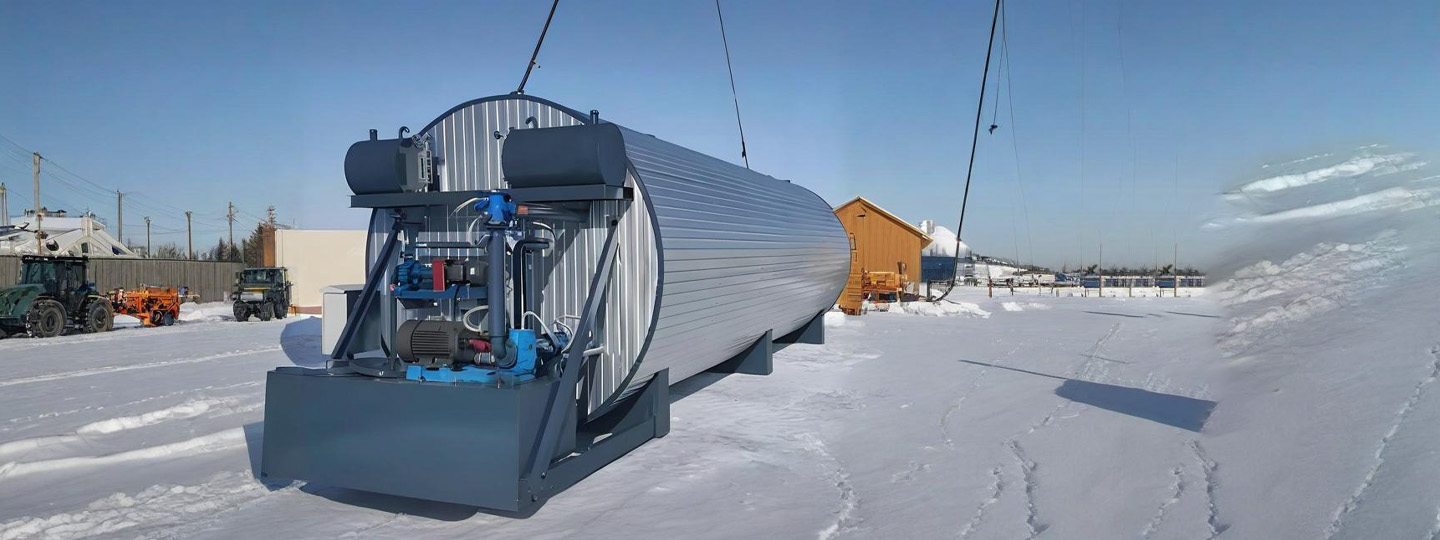
Heating Systems for Asphalt Tanks: Thermal Oil vs. Electric vs. Direct Fired
Heating systems are critical components of asphalt storage tanks, as they directly affect temperature uniformity, energy consumption, operational safety, and asphalt quality. The t...
16
2026-04
Common Failures in Asphalt Tanks and Preventive Maintenance Measures
Asphalt tanks are critical equipment for storing, heating and maintaining asphalt. Long-term exposure to high temperatures, corrosion, thermal stress and asphalt residues can lead ...
03
2026-04
Safety Operation Specifications and Maintenance of Asphalt Storage Tank
Asphalt storage tanks are core equipment in road construction, petrochemical and municipal engineering, used for storing, heating and transporting liquid asphalt. Given asphalt’s h...