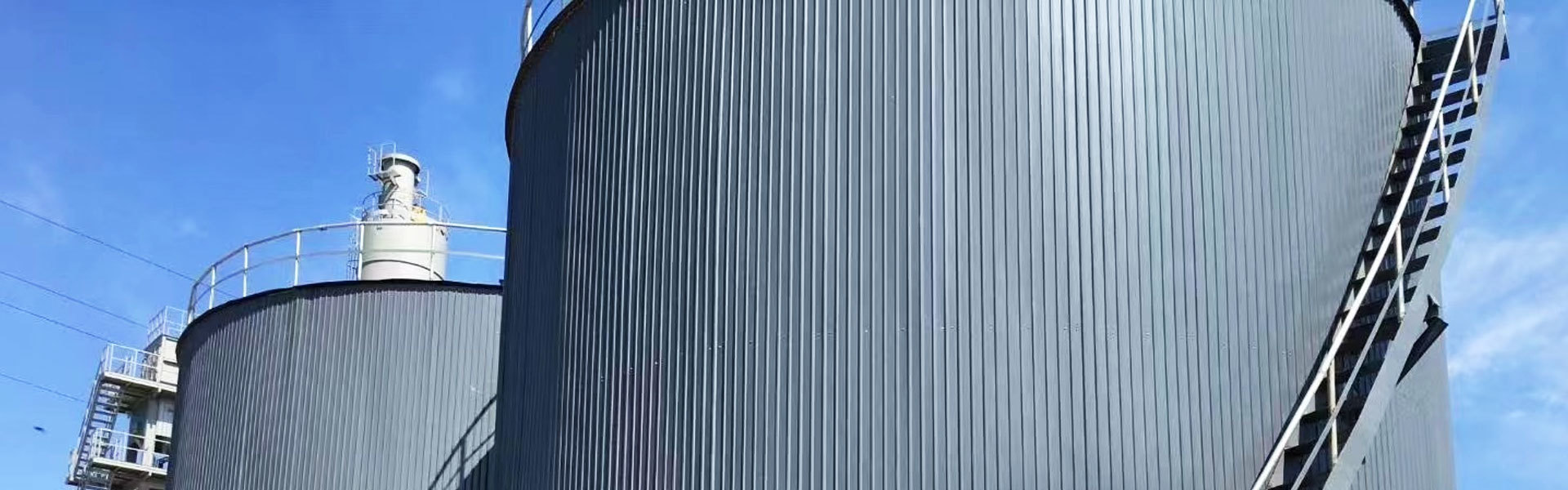
Asphalt tanks store and heat high-temperature bitumen, which involves fire, burn, scalding, and explosion risks. Strict compliance with safety standards and operating procedures is essential to preven
Asphalt tanks store and heat high-temperature bitumen, which involves fire, burn, scalding, and explosion risks. Strict compliance with safety standards and operating procedures is essential to prevent accidents and ensure personnel and equipment safety.
1. General Safety Standards for Asphalt Tanks
Tanks must comply with national pressure, welding, and thermal insulation specifications.
Equipped with reliable temperature control, over-temperature alarm, and emergency shutdown system.
Installed with overflow prevention, smoke exhaust, and fire isolation devices.
Electrical components must be explosion-proof, including motors, sensors, and control boxes.
Grounding devices to eliminate static electricity must be complete and effective.
Tanks should be placed in open, ventilated areas away from residential areas, combustibles, and open flames.
2. Pre-Operation Safety Inspection
Check heating system (thermal oil, electric, or burner) for leaks or damage.
Confirm temperature control instruments and pressure gauges are working normally.
Check valves, pipelines, and asphalt pumps for blockage or leakage.
Ensure fire extinguishers, sand buckets, and fire blankets are in place and effective.
Remove all flammable materials near the tank area.
3. Safe Heating Operation Rules
Heat asphalt gradually; avoid rapid heating or ultra-high temperature.
Strictly control temperature within the allowable range (usually 160–200°C depending on grade).
Do not leave the tank unattended during heating.
Once over-temperature occurs, immediately cut off heat source and ventilate.
Prohibit open flames near the tank body and oil pipelines.
4. Safe Feeding and Discharging
Check material quality; avoid mixing water, debris, or volatile solvents.
Moisture in asphalt may cause bumping or splashing at high temperature.
Control feeding speed to prevent overflow.
Operate valves slowly to avoid impact and leakage.
Stand aside during operation to prevent scalding by splashed asphalt.
5. Personnel Protection Requirements
Operators must wear high-temperature protective clothing, gloves, masks, and goggles.
Long hair, loose clothing, and jewelry are strictly prohibited.
Non-operators are not allowed to enter the working area.
Training must be completed before taking post.
6. Fire and Emergency Safety Rules
Smoking and open flames are strictly prohibited within 10 meters of the asphalt tank.
Regularly check and replace fire-fighting equipment.
In case of fire, use fire blankets or dry powder fire extinguishers — never use water.
Establish emergency evacuation routes and conduct regular drills.
Report any accident immediately and take effective first aid.
7. Daily Maintenance Safety
Cut off power and heat source before maintenance.
Wait for temperature to drop to a safe level before cleaning or repairing.
Check for thermal oil leakage, pipeline aging, and insulation damage regularly.
Clean up asphalt residues to prevent accumulation and fire risks.
8. Environmental and Safe Shut-Down
Do not discharge waste asphalt or oil into soil or water.
After shutdown, close all valves and cut off power and heat sources.
Record temperature, operation time, and material level for traceability.
Conclusion
Safe operation of asphalt tanks depends on strict standards, standardized operation, and complete protection.Following these rules can effectively prevent burns, fires, and explosions, ensuring safe and stable production in road construction and engineering projects.