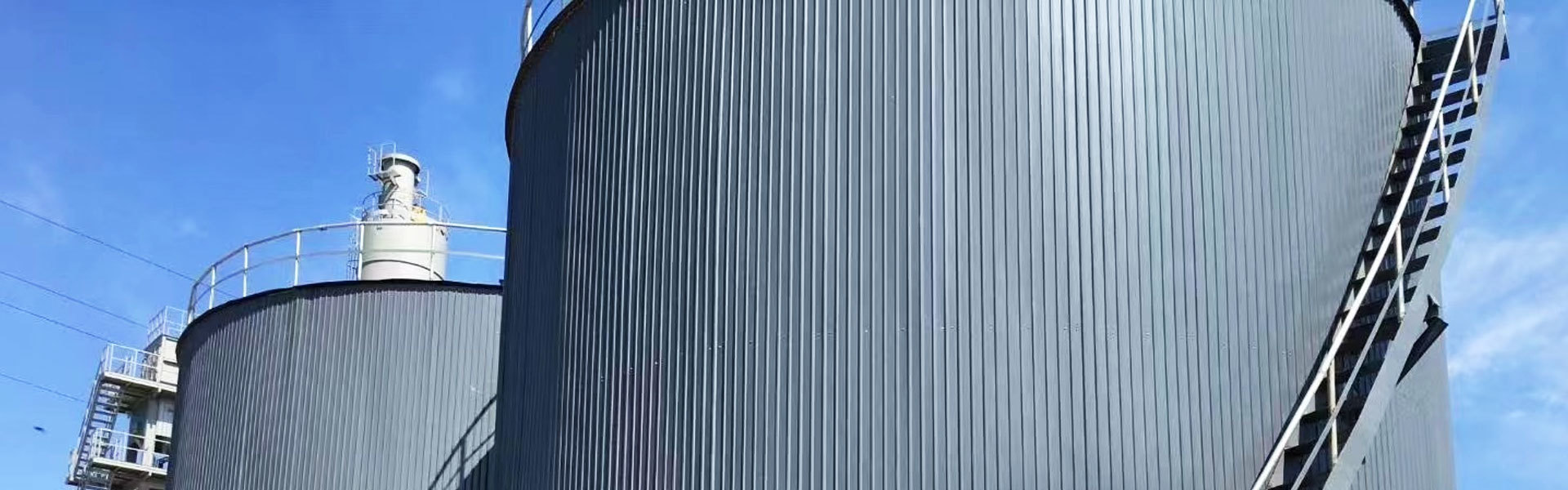
Asphalt tanks are critical equipment for storing, heating and maintaining asphalt. Long-term exposure to high temperatures, corrosion, thermal stress and asphalt residues can lead to failures that affect efficiency and cause safety hazards. This article summarizes typical failures and targeted preventive maintenance measures.
1. Asphalt Leakage
Causes
Weld cracking caused by thermal expansion and contraction or poor welding quality.
Tank wall and bottom corrosion and thickness reduction.
Damaged seals at pipes, manholes and heating coils.
Foundation settlement leading to tank deformation.
Preventive Maintenance
Conduct regular non-destructive testing on key welds.
Apply high-temperature anti-corrosion coatings internally and externally.
Inspect sealing parts before each heating cycle.
Check the foundation regularly for settlement or cracks.
2. Uneven Heating and Local Coking
Causes
Unreasonable heating coil layout resulting in dead zones.
Excessively high heating temperature causing asphalt aging and coking.
Lack of circulation leading to local overheating.
Scale and carbon deposits reducing heat transfer efficiency.
Preventive Maintenance
Optimize heating coil arrangement for uniform heat distribution.
Strictly control heating and holding temperatures.
Regularly clean carbon deposits and residual asphalt.
Use circulation systems to improve temperature uniformity.
3. Heating System Failure
Causes
Blockage or rupture of thermal oil coils.
Leakage in thermal oil pipelines.
Burner malfunctions in direct-fired tanks.
Poor heat exchange due to long-term fouling.
Preventive Maintenance
Flush thermal oil pipelines regularly to remove sludge.
Inspect for oil leakage before startup.
Maintain burners, nozzles and ignition systems periodically.
Monitor thermal oil pressure, temperature and flow in real time.
4. Corrosion and Rust Damage
Causes
Moisture, acid and salt in asphalt causing internal corrosion.
Rain, soil and harsh environments causing external corrosion.
High-temperature oxidation accelerating metal deterioration.
Preventive Maintenance
Use high-temperature-resistant anti-corrosion coatings.
Install reliable insulation and waterproof layers.
Keep the surrounding area dry and ventilated.
Repair damaged coatings immediately.
5. Insulation Failure and Excessive Heat Loss
Causes
Aging, damp or damaged insulation materials.
Broken or loose protective cladding.
Unsealed gaps at pipe penetrations.
Preventive Maintenance
Inspect insulation regularly and replace damaged parts.
Keep insulation materials dry.
Seal gaps with high-temperature sealant.
Use high-efficiency heat-resistant insulation materials.
6. Asphalt Aging and Deterioration
Causes
Long-term high-temperature storage.
Repeated unnecessary heating.
Oxidation caused by contact with air.
Preventive Maintenance
Avoid excessively high holding temperatures.
Reduce repeated heating cycles.
Use nitrogen sealing or floating roofs to isolate air.
Control storage duration based on asphalt type.
7. Safety Valve and Instrument Failure
Causes
Blockage by asphalt or carbon deposits.
Spring fatigue or corrosion of safety valves.
Inaccurate temperature, pressure and level sensors.
Preventive Maintenance
Calibrate instruments regularly.
Clean safety valves and exhaust ports.
Test safety valve reliability periodically.
Replace faulty sensors promptly.
8. Pipeline Blockage
Causes
Asphalt cooling and solidification in pipelines.
Accumulated debris and carbon deposits.
Excessive elbows and unreasonable layout.
Preventive Maintenance
Activate tracing heating before conveying asphalt.
Flush pipelines regularly.
Optimize layout to reduce dead legs.
Clean residues after each operation.
9. Tank Body Deformation
Causes
Uncontrolled internal pressure.
Uneven heating causing thermal stress.
Foundation settlement or structural fatigue.
Preventive Maintenance
Ensure pressure relief devices function effectively.
Maintain uniform heating.
Strengthen foundation and structural inspections.
Avoid rapid heating or cooling.
10. Fire and Explosion Risks
Causes
Flammable materials contacting high-temperature asphalt.
Gas accumulation from overheating.
Non-explosion-proof electrical equipment.
Static electricity buildup.
Preventive Maintenance
Use explosion-proof electrical systems.
Prohibit open flames near the tank area.
Install gas detectors and fire-fighting equipment.
Ground the tank to eliminate static electricity.
Conclusion
Most asphalt tank failures result from improper design, operation and insufficient maintenance. By strengthening routine inspections, standardizing operation, controlling heating temperature, maintaining anti-corrosion and insulation systems, and cleaning deposits regularly, the service life of asphalt tanks can be greatly extended, ensuring safe and stable operation.