Professional manufacturer of asphalt equipment
09
2026-03
Comparison of Different Heating Modes for Asphalt Tanks
Maintaining stable temperature is essential for asphalt storage, and heating methods directly affect efficiency, safety, energy consumption and service life. This article briefly c...
06
2026-03
Large Vertical Asphalt Tank vs Horizontal Asphalt Tank Comparison
Asphalt storage tanks are essential equipment for asphalt mixing plants, highway engineering, road maintenance stations and waterproofing material factories. When choosing an aspha...
05
2026-03
Integrated Asphalt Storage, Heating, and Conveying Systems
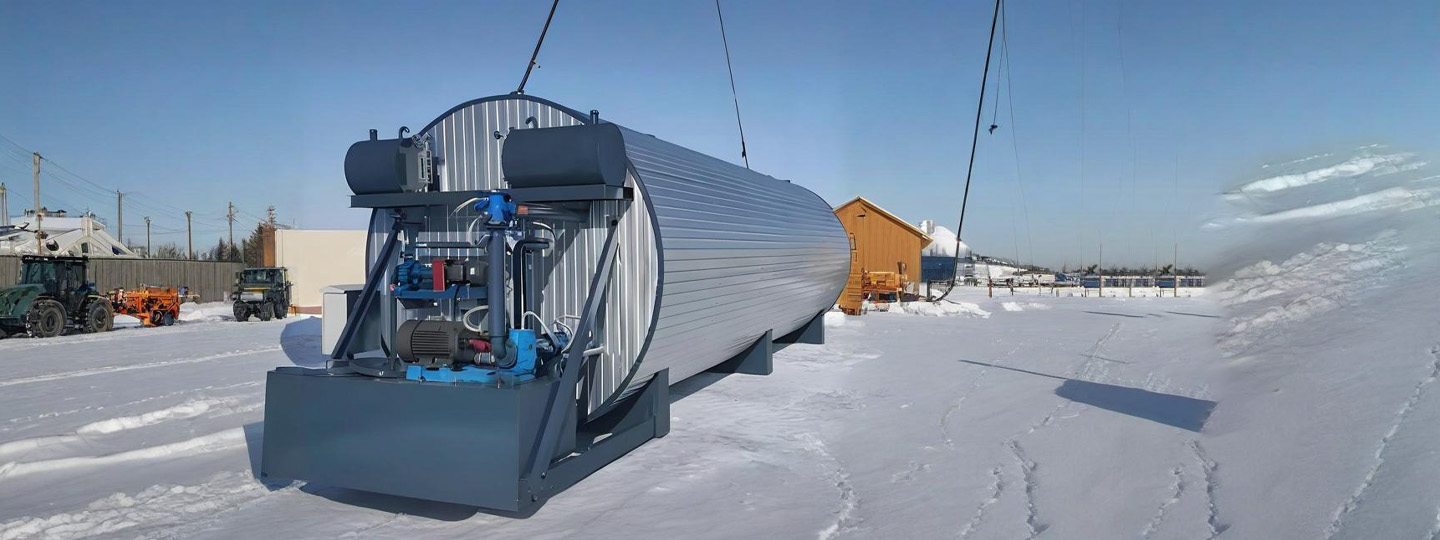
In modern road construction, road maintenance, and asphalt mixing plants, the traditional separate layout of asphalt storage tanks, heating units, and conveying pumps often leads t...
04
2026-03
Corrosion Protection and Service Life Extension of Asphalt Tank
AbstractAsphalt tanks are key equipment in road engineering, construction, and asphalt mixing plants. Long-term exposure to high temperature, humidity, and chemical media leads to ...
02
2026-03
Standard Installation and Foundation Requirements for Asphalt Tanks
1. Foundation Design RequirementsThe foundation must be concrete or reinforced concrete with sufficient bearing capacity to resist dead weight, material load and thermal stress.Fou...
28
2026-02
Environmental Protection and Emission Control of Asphalt Tank
Asphalt tanks operate at high temperatures and produce oil fumes, peculiar smell, dust and heat loss during heating, storage and transportation. Strengthening environmental protect...
27
2026-02
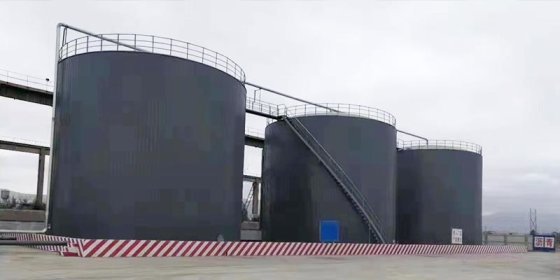
How to Choose the Right Capacity Asphalt Tank for Your Project
Choosing the correct asphalt tank capacity is critical to ensure stable supply, avoid waste, reduce energy consumption, and match your construction schedule. An undersized tank cau...
25
2026-02
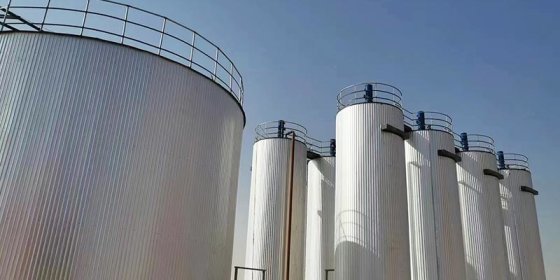
Custom Asphalt Tanks: Size, Material and Configuration Options
Custom asphalt tanks are widely used in road construction, asphalt mixing plants, engineering projects and storage terminals. Different projects require flexible design in size, ma...
29
2026-01
Daily Maintenance Tips for Emulsified Asphalt Equipment to Extend Service Life
Emulsified asphalt equipment is the core of road construction and asphalt emulsion production, and scientific daily maintenance is key to reducing failures, avoiding sudden downtim...
23
2026-01
Asphalt Tank for Road Construction: Matching Scheme for Mixing Plant & Construction Site
Asphalt tanks are core storage and thermal insulation equipment for road construction, responsible for asphalt storage, heating and constant temperature preservation. Rational matc...