

Professional manufacturer of asphalt equipment
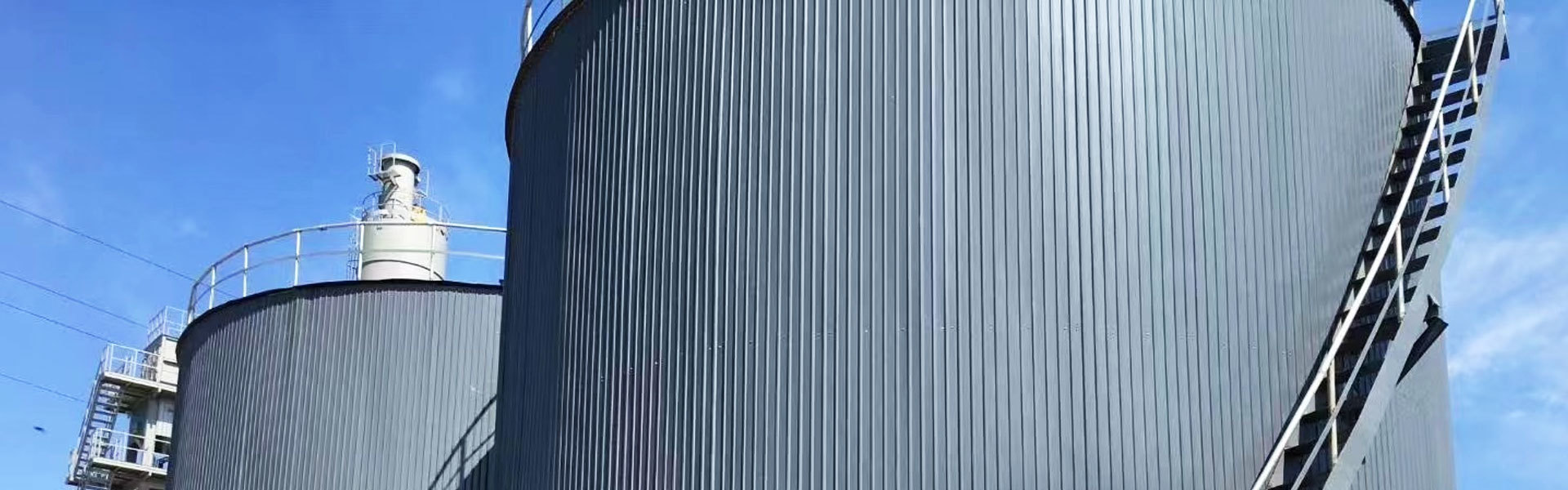
Environmental Protection and Emission Control of Asphalt Tank
Release Date:
Asphalt tanks operate at high temperatures and produce oil fumes, peculiar smell, dust and heat loss during heating, storage and transportation. Strengthening environmental protection and emission con
Asphalt tanks operate at high temperatures and produce oil fumes, peculiar smell, dust and heat loss during heating, storage and transportation. Strengthening environmental protection and emission control is an important part of modern asphalt storage systems, which can reduce air pollution, improve working conditions and meet environmental protection standards.
1. Main Pollutants from Asphalt Tanks
Asphalt fume: volatile organic compounds (VOCs) produced at high temperature
Odor: irritating smell affecting the surrounding environment
Dust: from feeding, maintenance and asphalt raw materials
Heat radiation and noise from heating equipment
2. Closed Storage and Negative Pressure Control
Use fully sealed asphalt tank structure to prevent fume overflow
Adopt micro-negative pressure operation to avoid smoke leakage
Equip with breathing valves and fume collection pipelines
Reduce open operation and exposed asphalt surface
3. Asphalt Fume Treatment Technology
Set up special fume purification device
Use combined processes: filtration, adsorption, condensation or catalytic oxidation
Remove oil mist, particles and harmful components
Ensure exhaust gas meets local emission standards
4. Heating System Energy Saving & Low Emission
Use high-efficiency burners with low NOx and low soot emission
Optimize heat conduction oil or electric heating system
Improve combustion efficiency and reduce fuel consumption
Recover waste heat to lower energy waste and exhaust gas
5. Insulation and Anti‑pollution Design
High‑efficiency insulation layer to reduce temperature fluctuation
Stabilize asphalt temperature and decrease continuous volatilization
Prevent oil leakage through anti‑leakage bottom and retaining walls
Separate sewage and rainwater to avoid soil and water pollution
6. Waste Gas Monitoring and Automatic Control
Real‑time monitoring of fume concentration and temperature
Automatic start‑stop of purification equipment
Alarm for abnormal emission and over‑temperature
Realize intelligent and stable emission control
7. Daily Environmental Management
Regular maintenance of sealing strips and purification devices
Timely cleaning of filter elements and adsorption materials
Standardized operation of feeding and discharging
Record emission data for environmental inspection
Conclusion
Environmental protection and emission control of asphalt tanks rely on closed design, efficient fume purification, energy‑saving heating and intelligent monitoring. Effective control can greatly reduce asphalt fume, odor and pollution, which is beneficial to production safety, staff health and sustainable development.
LATESTS NEWS
sphalt Tank Insulation and Anti-Corrosion Design: How to Reduce Heat Loss and Extend Equipment Service Life
2026-01-09
Asphalt Tank Core Structure Analysis: Design Key Points of Insulation Layer, Heating System and Agitation Device
2025-12-15
Asphalt Tank Selection Guide: Core Decision Factors from Capacity and Material to Heating Method
2025-12-02
Emulsified Asphalt Equipment Selection Guide: How to Match Colloid Mill Types and Production Capacity to Road Construction Needs?
2025-11-24


