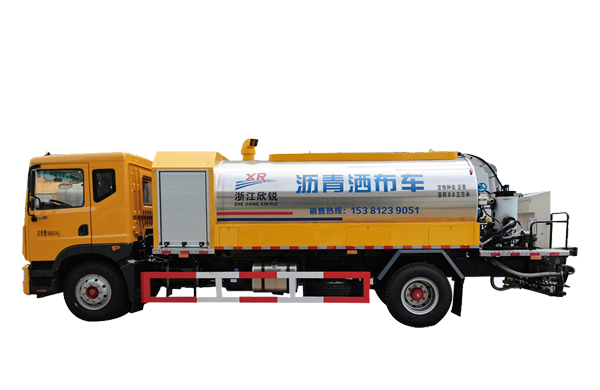
Professional manufacturer of asphalt equipment
11
2025-11
Renovation and Scrap Standards for Old Asphalt Tanks: Evaluation Indicators, Reconstruction Costs, and Environmental Requirements
Renovation and Scrap Standards for Old Asphalt Tanks: Evaluation Indicators, Reconstruction Costs, and Environmental Requirements 1. Introduction Asphalt tanks play a crucial role ...
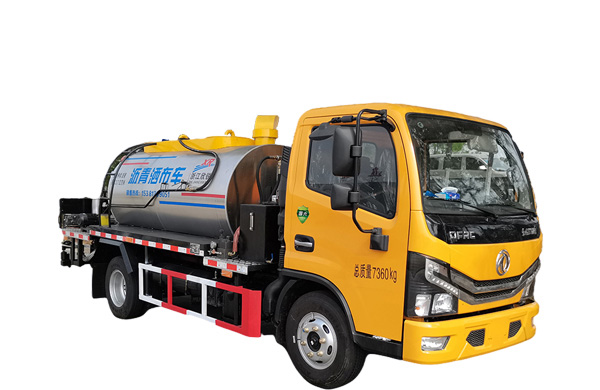
04
2025-11
Selection of Asphalt Tank Heating Systems: Coal-Fired, Oil-Fired, Electric Heating—Which is More Energy-Efficient and Effective?
Asphalt, a high-viscosity material, requires consistent heating to maintain fluidity for storage, transportation, and construction. The heating system serves as the heart of an asp...
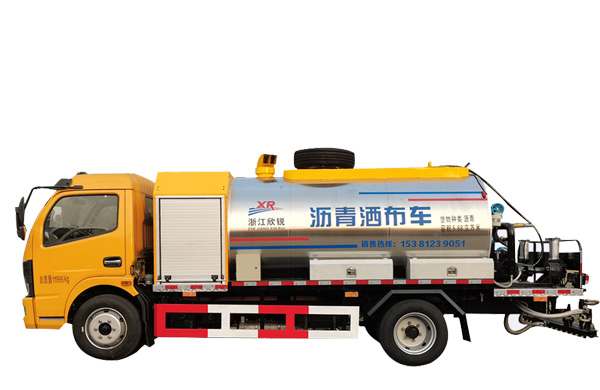
03
2025-11
Safe Operation of Asphalt Tanks: Liquid Level Monitoring, Pressure Regulation, and Fire & Explosion Prevention Standards
Safe Operation of Asphalt Tanks: Liquid Level Monitoring, Pressure Regulation, and Fire Explosion Prevention Standards Asphalt tanks are critical equipment in road construction, as...
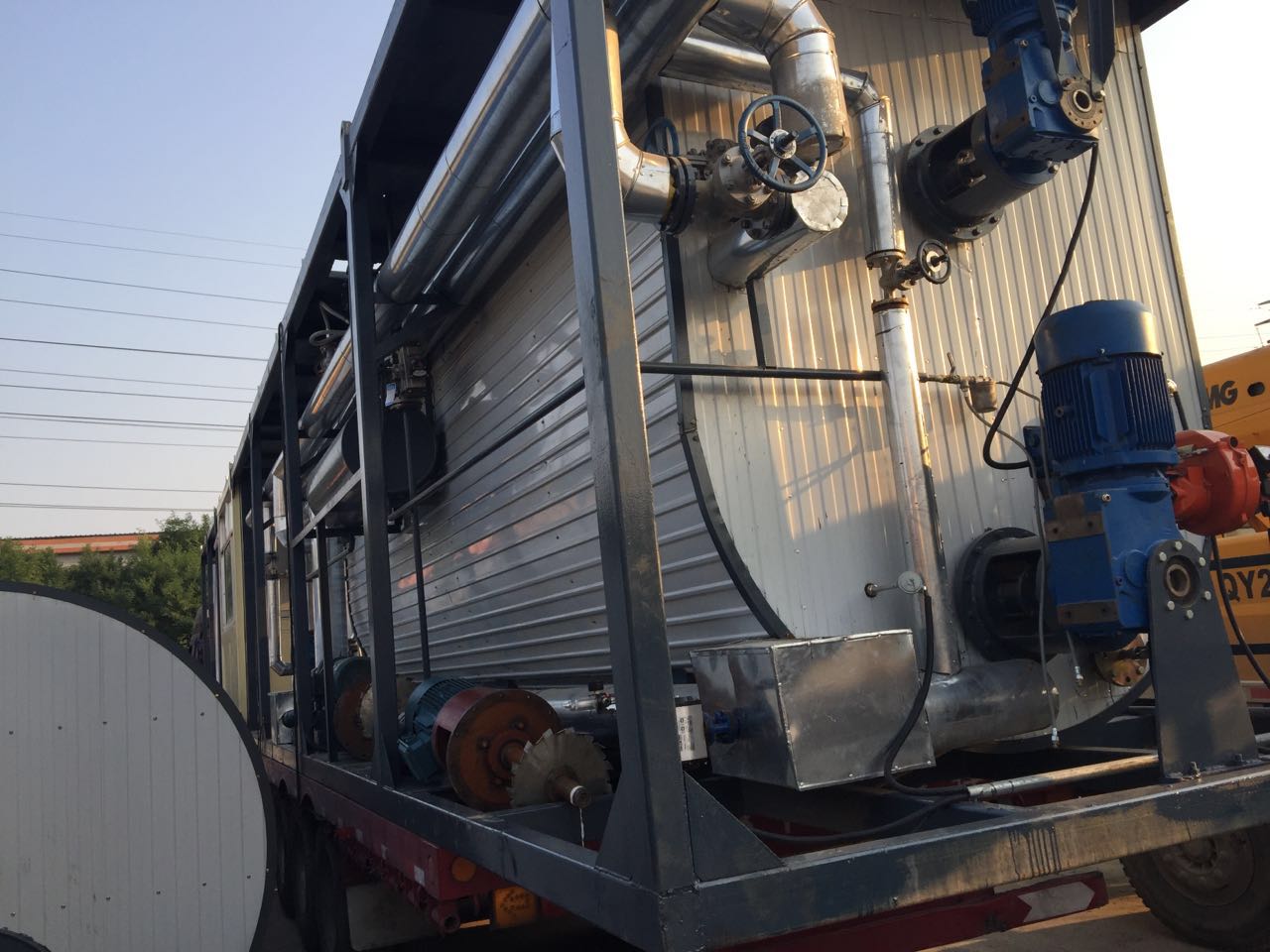
30
2025-10
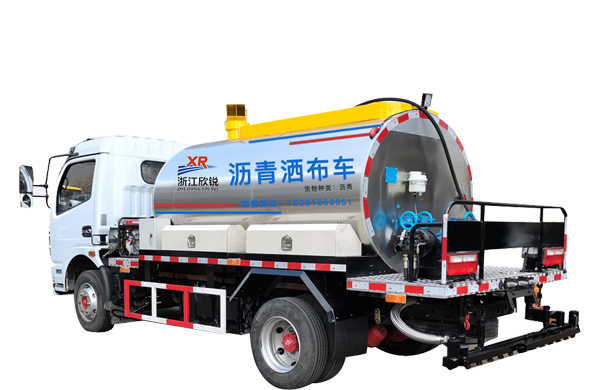
Beginner’s Guide: Detailed Operation Specifications and Safety Protection Measures for Emulsified Asphalt Equipment
Emulsified asphalt equipment plays a critical role in road construction, maintenance, and municipal engineering. For beginners, mastering standard operating procedures (SOPs) and s...
28
2025-10
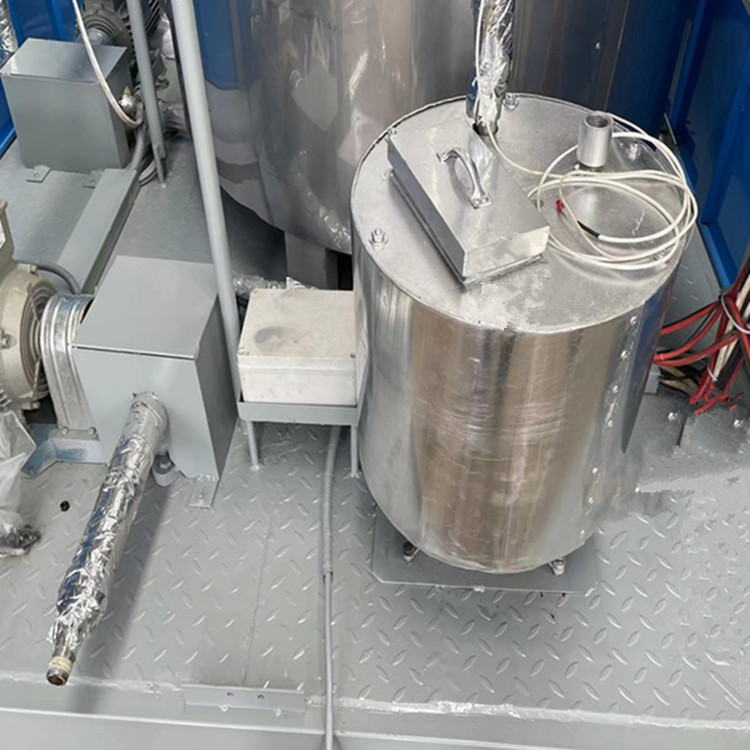
Intelligent Transformation of Asphalt Tanks: Practices in IoT Monitoring, Automatic Temperature Control, and Data-Driven Management
Asphalt tanks, as core equipment for asphalt storage and transportation in road construction, municipal engineering, and petrochemical industries, have long faced challenges such a...
27
2025-10
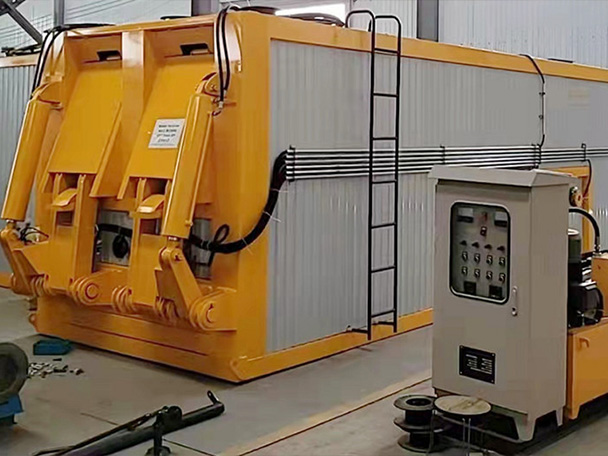
Digital Upgrade of Asphalt Tanks: Application and Benefit Improvement of Intelligent Temperature Control and Remote Monitoring Systems
Asphalt tanks have long been critical infrastructure in road construction, roofing, and industrial waterproofing sectors, yet their traditional operation relies heavily on manual i...
27
2025-10
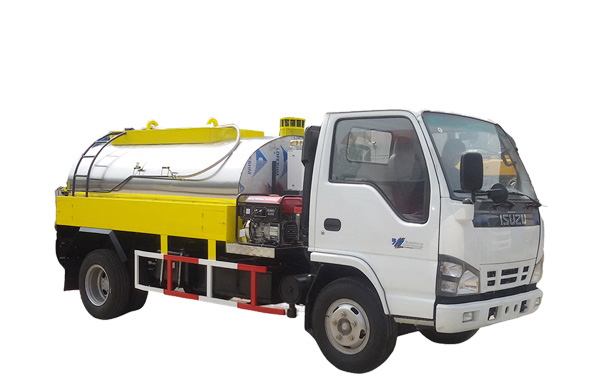
Case Study: How a Road Construction Company Reduced Asphalt Loss by 20% After Introducing Smart Asphalt Tanks
Highway Builders Co., a mid-sized road construction firm specializing in municipal road renovation and highway expansion projects, long struggled with significant asphalt loss duri...
27
2025-10
How Heating Systems (Diesel, Electric, Hot Oil) Impact Asphalt Tank Performance and Efficiency
Asphalt, a viscous petroleum product, requires precise temperature control to maintain workability—too low, and it solidifies, blocking pipes or halting pumping; too high, and it d...
17
2025-10
Asphalt Tank Sizing and Capacity Planning: Matching Storage Needs with Construction Project Scales and Usage Rates
Asphalt tanks serve as the critical link between asphalt production facilities and construction sites, where improper sizing—either too small to meet continuous supply demands or t...
16
2025-10
Asphalt Tank Selection Guide: Capacity Matching, Material Types, and Thermal Insulation Performance Comparison
Asphalt tanks are critical equipment for storing and preserving asphalt—whether for road construction, waterproofing projects, or industrial asphalt processing. The wrong selection...