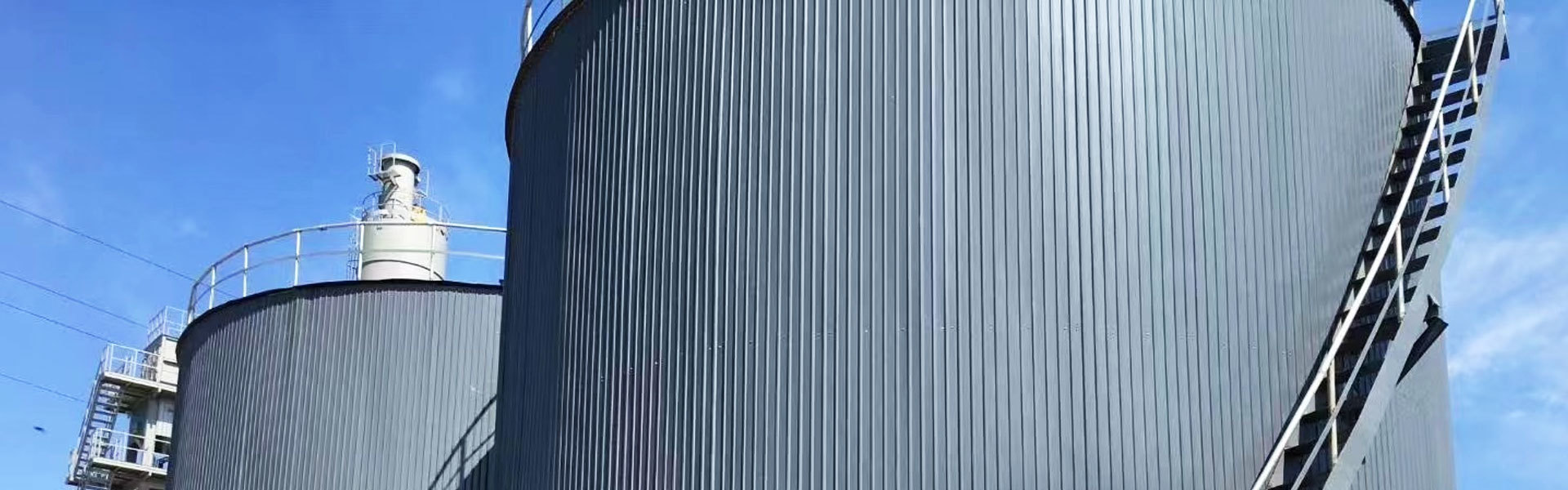
IntroductionAsphalt tank capacity calculation and layout design are the core foundation of road construction and asphalt batching plant planning. Reasonable capacity matching ensures continuous constr
Introduction
Asphalt tank capacity calculation and layout design are the core foundation of road construction and asphalt batching plant planning. Reasonable capacity matching ensures continuous construction supply, while scientific layout optimizes heating efficiency, operation safety, transportation access and later maintenance. Standard calculation methods and standardized layout design can avoid insufficient storage, idle equipment, pipeline resistance and safety hidden dangers.
1. Basic Principle of Asphalt Tank Capacity Calculation
Asphalt storage capacity is mainly calculated based on tank volume, asphalt density and effective utilization rate.Common asphalt density is about 1.05 ~ 1.10 t/m³.The actual effective capacity cannot use the full geometric volume, reserved space is required for thermal expansion, feeding overflow and exhaust breathing.
Core Calculation Formula
Effective Volume = Tank Geometric Volume × Utilization FactorEffective Storage Tonnage = Effective Volume × Asphalt Density
The general utilization coefficient is controlled at 0.8~0.85, leaving margin for asphalt thermal expansion and liquid level fluctuation.
2. Practical Calculation Steps
Confirm daily asphalt consumption and continuous construction days, calculate total reserve demand.
Select single tank specification: vertical circular tank or horizontal mobile tank.
Calculate tank diameter, height or length according to volume demand.
Deduct pipeline occupation, heating coil and insulation structure space.
Revise effective volume and verify whether it matches actual construction consumption.
3. Common Standard Tank Capacity Specification
Common industrial standard models: 10m³, 20m³, 30m³, 50m³, 100m³ vertical asphalt tanks; small mobile horizontal tanks are mostly 5–30m³. Multiple small tanks are recommended for staged construction, easy independent heating and separate material storage.
4. Overall Layout Design Principles of Asphalt Tank Yard
4.1 Site and Foundation Layout
Choose flat, high terrain with good drainage to avoid water accumulation soaking the tank foundation. The foundation should be reinforced and hardened to prevent uneven settlement and tank body deformation.
4.2 Safety Spacing Layout
Keep safe isolation distance between asphalt tanks, batching plant, diesel tank, burner and office area. Set fire isolation zone and fire passage, comply with fire protection and chemical storage layout norms.
4.3 Pipeline and Process Layout
Concentrate the inlet and outlet pipelines to reduce pipe length and heat loss. Arrange heating circulation pipelines reasonably to ensure uniform temperature of each tank, avoid dead angle of asphalt flow. Keep pipeline slope standard to prevent asphalt deposition and blockage.
4.4 Operation and Maintenance Layout
Reserve enough space around the tank for manhole inspection, level gauge reading, heating system maintenance and tank cleaning. Arrange vehicle access channel reasonably for tanker feeding and outbound transportation.
4.5 Environmental Protection Layout
Centralize waste gas exhaust ports and connect to asphalt fume treatment equipment. Layout oil leakage recovery tank and sewage collection ditch to prevent pollution of soil and surface water.
5. Design Optimization Suggestions
Adopt multiple small tanks instead of one large tank, flexible for batch use and temperature control.
Unify tank height and pipeline height to facilitate centralized layout and construction.
Set independent temperature control and circulating heating for each tank to reduce energy consumption.
Reserve expansion space for future capacity upgrade and equipment addition.
Conclusion
Accurate capacity calculation ensures reasonable asphalt reserve matching construction progress, and scientific layout design guarantees safe operation, energy saving, convenient construction and environmental compliance. Following standardized calculation formulas and layout principles can improve the overall operating efficiency of the asphalt tank area, reduce construction cost and long-term maintenance risks.