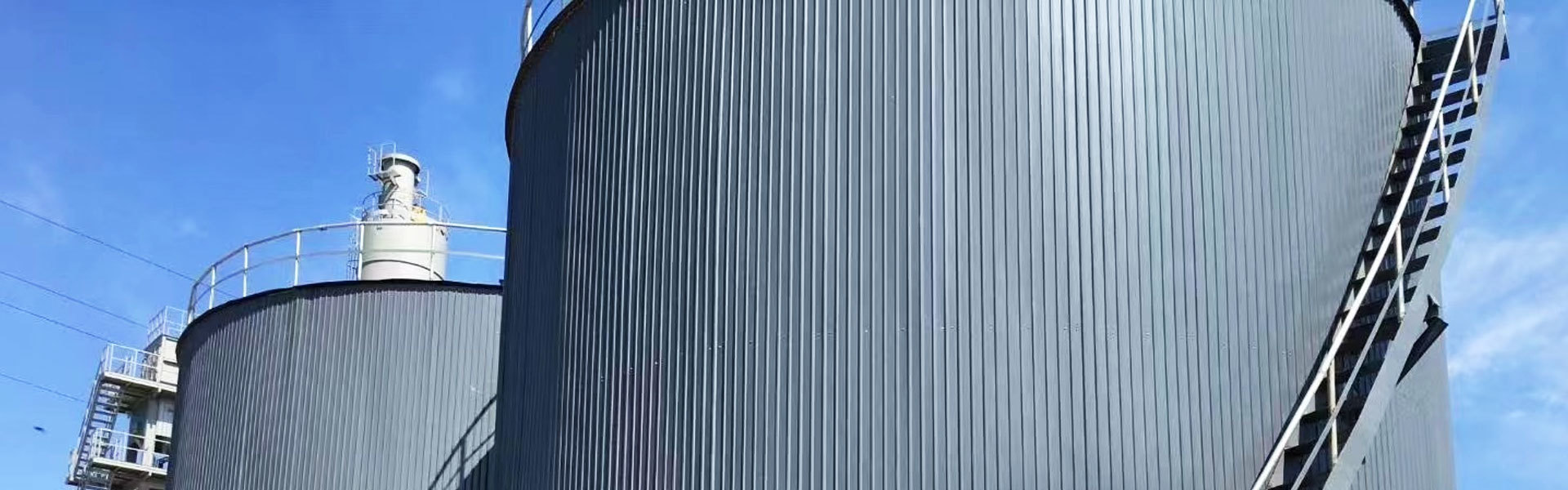
IntroductionAsphalt tanks produce large amounts of waste gas during storage, heating, feeding and discharging. The exhaust contains asphalt fume, VOCs, PAHs and harmful particulate matter, which pollu
Introduction
Asphalt tanks produce large amounts of waste gas during storage, heating, feeding and discharging. The exhaust contains asphalt fume, VOCs, PAHs and harmful particulate matter, which pollute the air and harm human health. To meet atmospheric emission regulations and green construction requirements, asphalt tank waste gas must be treated strictly in accordance with unified environmental protection standards, emission limits and technical specifications.
1. Main Pollutants from Asphalt Tank Waste Gas
Typical pollutants include asphalt smoke, volatile organic compounds, benzopyrene, dust and irritant odor. These substances are easy to diffuse in open and semi-open environments, causing air pollution and occupational health risks for on-site workers. Effective governance must control all listed pollutants within standard limits.
2. Domestic and International Environmental Protection Emission Standards
2.1 Domestic Standards
Follow GB 31570-2015 and GB 16297-1996 comprehensive atmospheric emission standards:
Asphalt fume: ≤20 mg/m³
Benzopyrene: ≤0.001 mg/m³
VOCs: ≤50 mg/m³, stricter local limits in some regions
Supporting technical specifications include HJ 1094 and HJ 2026, guiding waste gas treatment process design, installation and acceptance.
2.2 International Standards
EU Industrial Emission Directive (IED) sets strict caps on VOCs and carcinogenic components. US Clean Air Act and EPA regulations control tank volatile emissions, requiring sealed vapor recovery and regular performance testing.
3. Environmental Protection Design Standards for Asphalt Tanks
Adopt sealed tank structure with breathing valve and exhaust recovery port to reduce unorganized emission.
Equip closed feeding and discharging pipeline system to avoid open volatilization.
Install insulation layer to lower asphalt heating temperature and reduce gas volatilization.
All ventilation openings must be connected to centralized waste gas treatment equipment, prohibited from direct emptying.
4. Waste Gas Treatment Process Compliance Requirements
Common compliant technologies include electrostatic precipitation, activated carbon adsorption, spray absorption and thermal combustion.
The treatment system must match the actual gas volume and concentration of the asphalt tank.
Keep stable removal efficiency for asphalt fume, odor and VOCs.
Regular maintenance and replacement of filter and adsorption materials to ensure long-term standard discharge.
5. Operation, Monitoring and Management Standards
Install online monitoring facilities to track particulate matter, VOCs and smoke concentration in real time.
Conduct regular sampling inspection and keep complete environmental protection records.
Standardize daily heating temperature control, avoid overheating that increases waste gas output.
Set safe distance between asphalt tank and residential area, and maintain good on-site ventilation layout.
Conclusion
Compliance with environmental protection standards for asphalt tank waste gas treatment is mandatory for road construction and industrial storage projects. By following unified emission limits, sealed tank design, standardized treatment process and daily monitoring management, asphalt tank waste gas can be effectively controlled, reducing air pollution, meeting green production requirements and protecting site personnel and surrounding ecological environment.