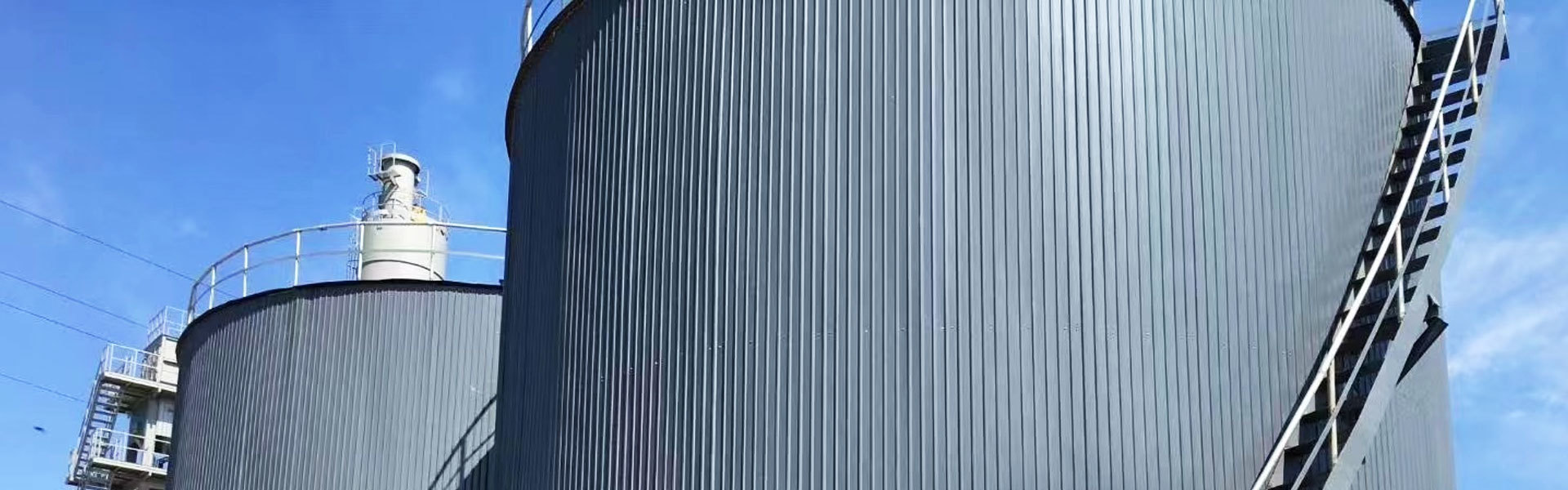
IntroductionMobile asphalt tanks are widely used in road construction, highway maintenance and temporary engineering projects. Unlike fixed asphalt storage tanks, they feature flexible movement, fast
Introduction
Mobile asphalt tanks are widely used in road construction, highway maintenance and temporary engineering projects. Unlike fixed asphalt storage tanks, they feature flexible movement, fast deployment and on-site heating storage. Correct model selection and standardized installation are critical to safe operation, stable asphalt temperature control, leakage prevention and long service life.
1. Key Selection Specifications for Mobile Asphalt Tank
1.1 Capacity and Model Selection
Choose tank capacity according to project consumption and construction rhythm, common specifications include 5m³, 10m³, 20m³ and 30m³. Avoid oversized idle storage or insufficient capacity affecting continuous construction. The tank body should adopt integral one-piece welding structure to ensure pressure resistance and no deformation during moving.
1.2 Heating and Insulation Performance
Select mobile asphalt tanks equipped with automatic heating system (diesel heating, electric heating or thermal oil heating). The insulation layer should use high-density thermal insulation material to reduce heat loss, keep asphalt at constant temperature, and avoid solidification during short-distance transfer.
1.3 Material and Anti-Corrosion Standard
The inner tank plate shall adopt pressure-resistant carbon steel with thickened design, resistant to high-temperature asphalt corrosion and scouring. The outer wall needs anti-rust and anti-corrosion coating to adapt to outdoor rainy, dusty and harsh construction site environment.
1.4 Mobility and Structural Configuration
Select trailer-type or skid-mounted mobile structure according to transportation conditions. The chassis must have strong load-bearing capacity, shock resistance and stable traction configuration. Equip standard walking mechanism, support legs and braking device for safe moving and on-site parking.
1.5 Safety and Auxiliary Configuration
Priority should be given to tanks with temperature automatic control, level gauge, overflow prevention device, exhaust valve and fire protection configuration. Complete safety accessories can effectively avoid overheating, overflow, blockage and fire risks.
2. Installation Specification & Standard Procedure
2.1 Site Preparation
Install on a flat, hardened and well-drained ground. Keep the foundation stable and level to prevent tank body tilt, internal asphalt local accumulation and structural stress deformation. Reserve enough space around for maintenance, feeding and heat dissipation.
2.2 Positioning and Leveling
Place the mobile asphalt tank in place, adjust supporting legs strictly for horizontal balance. Fix the chassis firmly to prevent sliding or shaking during heating and pumping operation. Keep a safe distance from flammable materials on the construction site.
2.3 Pipeline and Circuit Installation
Install asphalt inlet and outlet pipelines, circulating pipelines with sealed welding to prevent high-temperature leakage. Arrange power lines and control lines in standard wiring mode, equipped with leakage protection and overload protection. All electrical components should meet outdoor waterproof and dustproof grade.
2.4 Heating System Commissioning
Check heating pipeline, burner and thermal oil circuit for blockage and air leakage before startup. Test temperature control system to ensure accurate constant temperature, automatic stop and over-temperature protection function work normally.
2.5 Sealing and Safety Inspection
Inspect all welding seams, manhole covers, flanges and sealing parts for tightness. Confirm exhaust, pressure relief and fire protection facilities are in place. Make trial run with no-load and low-temperature heating before formal asphalt storage.
3. Standard Operation & Installation Precautions
Do not install on soft ground or slope to avoid rollover and deformation.
Strictly follow electrical safety norms, do not privately modify circuit and heating system.
Keep ventilation unobstructed around the tank to avoid asphalt steam accumulation.
After installation, keep regular inspection of sealing performance, pipeline aging and heating system status.
Conclusion
Scientific selection and standardized installation are the premise of efficient and safe operation of mobile asphalt tanks. Reasonable matching of capacity, heating mode, material structure and mobile configuration can meet different construction demands. Strictly following installation specifications and safety standards can reduce failure rate, prevent leakage and fire hazards, and extend the service life of mobile asphalt tank in road engineering.