

Professional manufacturer of asphalt equipment
Case Study: How a Road Construction Company Reduced Asphalt Loss by 20% After Introducing Smart Asphalt Tanks
Release Date:
Highway Builders Co., a mid-sized road construction firm specializing in municipal road renovation and highway expansion projects, long struggled with significant asphalt loss during storage and use—an issue common in the industry but costly to its bottom
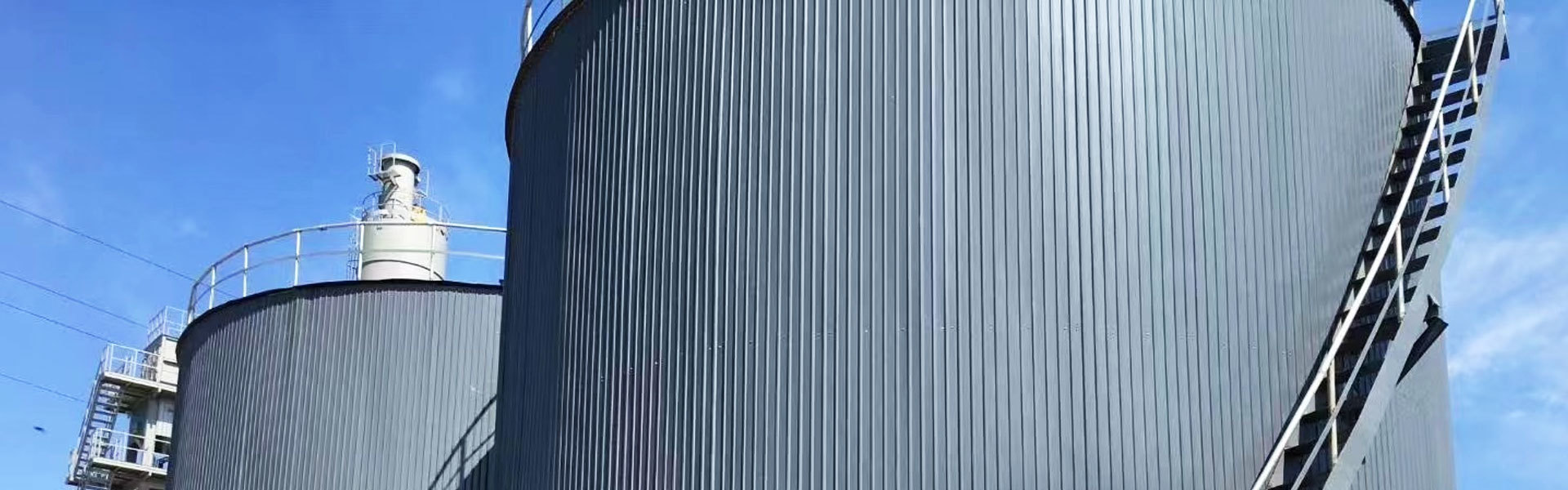
Highway Builders Co., a mid-sized road construction firm specializing in municipal road renovation and highway expansion projects, long struggled with significant asphalt loss during storage and use—an issue common in the industry but costly to its bottom line. Before 2023, the company relied on 8 traditional vertical asphalt tanks (50,000L each) for asphalt storage and preheating. These tanks lacked real-time monitoring and precise temperature control, leading to three key sources of loss:
Temperature Fluctuation Loss: Traditional tanks used manual temperature adjustment (via coal-fired heating), often resulting in overheating (exceeding 180℃, the optimal asphalt storage temperature) or underheating. Overheating caused light components in asphalt to volatilize (accounting for 8-10% of total loss), while underheating forced workers to use excessive mechanical stirring to melt solidified asphalt—breaking down asphalt particles and leading to waste (another 5-7% loss).
Residue Waste: Without automated cleaning and discharge systems, traditional tanks left 3-5% of asphalt stuck to the inner wall after each use. For a 50,000L tank, this meant 1,500-2,500L of asphalt wasted per cycle, which accumulated to over 30,000L annually across all tanks.
Inventory Miscalculation Loss: Manual liquid level checks (using a dipstick) were inaccurate, leading to over-purchasing (to avoid shortages) or unexpected stockouts (forcing emergency purchases at higher prices). On average, the company overstocked 10% of asphalt monthly, with expired or degraded asphalt (due to prolonged storage) contributing 2-3% additional loss.
By 2022, these issues combined to cause a 12-15% annual asphalt loss rate, translating to over $120,000 in wasted costs (based on an average asphalt price of $800/ton). With road construction margins tightening and client demands for cost transparency rising, the company sought a tech-driven solution to cut losses—ultimately choosing to upgrade to 8 smart asphalt tanks (same capacity, 50,000L each) from a leading industrial automation supplier in early 2023.
The Smart Asphalt Tank Upgrade: Key Features Targeting Loss Reduction
The smart asphalt tanks integrated IoT monitoring, precise thermal control, and automated operations—addressing the root causes of loss in traditional systems. Three core upgrades drove the subsequent efficiency gains:
1. Real-Time Temperature & Liquid Level Monitoring (IoT Integration)
Each smart tank was equipped with:
High-precision temperature sensors (accuracy ±1℃) installed at 3 layers (top, middle, bottom of the tank) to track asphalt temperature uniformly. Data was transmitted to a cloud management platform, where managers could view real-time temperatures via a mobile app or desktop dashboard.
Ultrasonic liquid level sensors (accuracy ±0.5%) that automatically updated inventory levels every 10 minutes, eliminating manual dipstick errors. The platform sent alerts when levels dropped to 20% (triggering reordering) or exceeded 90% (preventing overstocking), ensuring just-in-time inventory management.
This eliminated "blind spots" in traditional monitoring: for example, the system quickly detected when the bottom layer of asphalt was 5-8℃ cooler than the top (a common issue in traditional tanks) and adjusted heating to avoid solidification, while accurate 液位 data cut overstocking by 80%.
2. Adaptive Heating System: Precision Control to Reduce Volatilization
Unlike the manual, one-size-fits-all heating of traditional tanks, the smart system featured:
Dual-mode heating (gas-fired + electric auxiliary) with PID (Proportional-Integral-Derivative) control. The platform automatically adjusted heating power based on real-time temperature and asphalt usage rate—maintaining a stable 175-180℃ (the sweet spot for minimizing volatilization and keeping asphalt fluid).
Heat retention optimization: The tank’s outer insulation layer was upgraded to high-density rock wool (thickness increased from 50mm to 80mm), while a heat recovery module captured waste heat from exhaust gases to preheat incoming cold asphalt. This reduced heating energy consumption by 15% and prevented sudden temperature drops that cause solidification.
Within the first 3 months, the adaptive heating system cut asphalt volatilization loss from 8-10% to 3-4%—a 50% reduction in this loss category alone.
LATESTS NEWS
sphalt Tank Insulation and Anti-Corrosion Design: How to Reduce Heat Loss and Extend Equipment Service Life
2026-01-09
Asphalt Tank Core Structure Analysis: Design Key Points of Insulation Layer, Heating System and Agitation Device
2025-12-15
Asphalt Tank Selection Guide: Core Decision Factors from Capacity and Material to Heating Method
2025-12-02
Emulsified Asphalt Equipment Selection Guide: How to Match Colloid Mill Types and Production Capacity to Road Construction Needs?
2025-11-24


