

Professional manufacturer of asphalt equipment
Thermal Insulation and Heating System Configuration for Asphalt Tank
Release Date:
Asphalt is a special petroleum product with high viscosity and obvious temperature sensitivity. It will gradually thicken and even completely solidify when the temperature drops, which makes feeding,
Asphalt is a special petroleum product with high viscosity and obvious temperature sensitivity. It will gradually thicken and even completely solidify when the temperature drops, which makes feeding, discharging, circulation and pipeline transportation unable to proceed normally. For outdoor large-scale asphalt storage tanks, drastic changes of ambient temperature, cold winter climate and long-term low-temperature environment will seriously affect the fluidity of asphalt. Therefore, reasonable thermal insulation structure design and scientific heating system configuration are the core guarantees to keep asphalt in stable liquid state all year round. This article introduces the overall thermal insulation scheme of asphalt tanks, classification and selection of heating systems, layout rules of heating components, system matching principles and daily operation management requirements in detail.
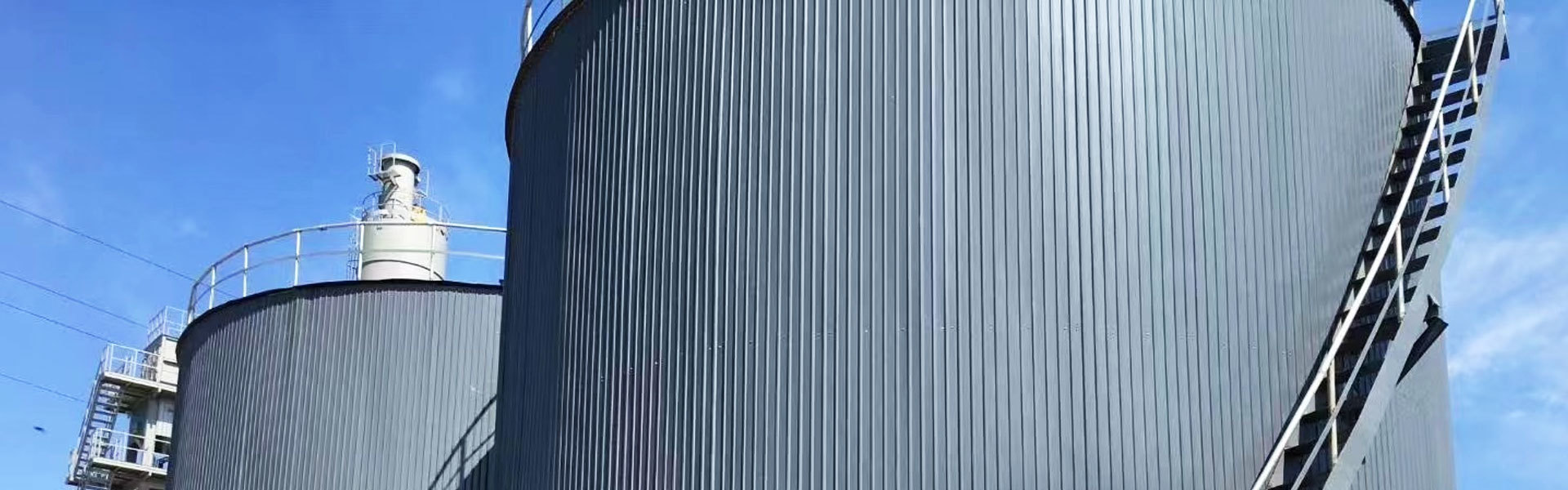
The thermal insulation system of asphalt tank is mainly applied to the outer wall, tank roof, tank bottom and external connecting pipelines, aiming to reduce heat loss inside the tank, slow down the temperature drop of asphalt and lower the operating load of the heating system. The overall thermal insulation structure adopts a composite layered design, consisting of base protective layer, thermal insulation core material and outer protective cladding. Before laying thermal insulation materials, first clean up the outer surface of the tank body, repair damaged anti-corrosion coatings and weld seams, and ensure the surface is dry and flat to prevent moisture from being sealed inside the insulation layer and causing steel plate corrosion. The thermal insulation core material selects high-performance materials with low thermal conductivity, good high-temperature resistance, compression resistance and anti-aging properties. Rock wool, glass wool and rigid polyurethane foam are the most commonly used materials for asphalt tanks. These materials can effectively block heat conduction, adapt to the long-term operating temperature of liquid asphalt, and will not shrink, collapse or lose thermal insulation effect after long-term use.
In terms of layered layout, the tank wall is the largest heat dissipation area. The thermal insulation layer is laid continuously and seamlessly along the vertical direction of the tank wall, and the lap joints between adjacent insulation boards are staggered to avoid through gaps. For the tank roof, due to the influence of rain erosion and wind blowing, besides thickening the thermal insulation layer appropriately, waterproof and anti-aging treatment must be strengthened. The tank bottom is in contact with the foundation and ground, and the heat loss is relatively concentrated. Combined with the foundation structure, underground thermal insulation cushions are laid to isolate the cold conduction from the ground. After the internal thermal insulation material is fully paved, metal color steel plates or waterproof coiled materials are used as the outer protective layer. The outer cladding can resist ultraviolet radiation, rain, snow and wind erosion, protect the internal thermal insulation material from damage, and prolong the service life of the whole thermal insulation system. All thermal insulation construction shall avoid local thinning or missing laying at manholes, escalators, pipe interfaces and operating platforms, and do reinforcement wrapping treatment at special parts to prevent local excessive heat loss.
While reducing heat loss through thermal insulation, the heating system undertakes the core function of supplementing heat and maintaining constant temperature inside the tank. According to different heat sources and working principles, the heating systems of asphalt tanks are mainly divided into steam heating, hot oil circulation heating and electric heating. Each type has distinct characteristics and applicable scenarios, and needs to be selected according to on-site energy supply conditions, tank capacity, regional climate and production demands.
Steam heating is a traditional and widely adopted heating mode, which uses high-temperature steam as the heat medium. The system is composed of steam boiler, steam conveying pipeline, heating coils inside the tank and condensate recovery pipeline. The high-temperature steam flows through the heating coils to exchange heat with asphalt, and the condensed water after heat exchange is recovered and recycled. Steam heating features fast heat transfer, large heat supply and low operating cost, which is suitable for large asphalt storage tanks and production bases with supporting boiler rooms. The internal heating coils are arranged in a serpentine or layered layout. The coil pipes are densely laid at the tank bottom and the area near the discharge port where asphalt is prone to solidification, and the layout density is properly reduced in the upper part of the tank body. During configuration, the pipeline slope and condensate discharge points are reasonably set to avoid water accumulation inside the coils which may affect the heating efficiency. Regular scale removal and pipeline maintenance are required in daily operation to ensure smooth steam circulation.
Hot oil circulation heating is currently the mainstream heating scheme for medium and large asphalt tanks. It takes high-temperature heat conduction oil as the circulating medium, and forms a closed circulation loop through a heat conduction oil furnace, circulating pump, internal heating coils and connecting pipelines. Compared with steam heating, hot oil heating can realize more accurate temperature control, with stable heating temperature and uniform heat distribution inside the tank. The closed circulation mode has little heat loss, no steam emission and no condensate discharge, which is more environmentally friendly. This system operates stably in low-temperature areas and is not prone to freezing and pipeline blockage. The heating coils inside the tank adopt multi-group parallel layout to make the temperature of each area of asphalt tend to be consistent. The system is equipped with professional temperature monitoring instruments and automatic control components, which can automatically start and stop the circulating pump and heating furnace according to the set asphalt temperature, realizing unattended constant temperature control. It is widely used in asphalt mixing stations, chemical storage yards and road engineering material bases.
Electric heating system uses electric heating tubes or electric heating cables to convert electric energy into heat energy. It has simple structure, convenient installation, small floor space and no need for supporting boiler or oil furnace equipment. It is easy to realize automatic temperature control and has low failure rate in operation. However, its overall heating power is limited and the operating cost of electricity consumption is high, so it is mostly applied to small and medium-sized asphalt tanks, auxiliary pipeline heating and areas lacking steam and heat conduction oil supply conditions. Electric heating components are arranged in strips or clusters at the tank bottom and around the discharge pipeline. Waterproof, explosion-proof and high-temperature resistant electric heating products must be selected to adapt to the special environment inside the asphalt tank, and perfect leakage protection and over-temperature protection devices shall be equipped to ensure operational safety.
In addition to the main heating equipment inside the tank, the auxiliary heating and thermal insulation of external pipelines and valves cannot be ignored. Asphalt delivery pipelines, drain pipes and valve groups are exposed outdoors and have small pipe diameters, so asphalt is easier to solidify here. All asphalt conveying pipelines are wrapped with thermal insulation layers externally, and equipped with companion heating devices such as heat tracing cables or small steam heat tracing pipes. The valve body and flange parts are wrapped with special detachable thermal insulation jackets for convenient daily inspection and maintenance. A complete set of heating and thermal insulation for the whole pipeline system can avoid pipeline blockage caused by asphalt solidification during feeding and discharging.
Temperature monitoring and linkage control are important supporting parts of the whole system. Multiple temperature sensors are installed at different heights and positions inside the asphalt tank to monitor the real-time temperature of asphalt in the upper, middle and lower layers. The temperature data is transmitted to the central control cabinet. When the temperature is lower than the set threshold, the system automatically starts the heating device; when the temperature reaches the standard value, the heating equipment is automatically shut down to maintain the asphalt within the optimal temperature range for storage and use. The normal storage temperature of asphalt is usually controlled between 130 ℃ and 160 ℃. Excessively high temperature will accelerate asphalt aging and increase volatilization loss, while excessively low temperature will lead to poor fluidity. The control parameters shall be reasonably set according to the asphalt label and actual usage requirements.
In daily operation and maintenance, regular inspection and maintenance of thermal insulation and heating systems are required. Check whether the external thermal insulation layer is damaged, falling off or water seepage, and repair the damaged parts in a timely manner to prevent increased heat loss. For heating coils, circulating pumps, heating furnaces and control instruments, carry out regular overhaul, cleaning and pressure testing to eliminate pipeline blockage, pipeline leakage and instrument failure. In severe cold areas, do a good job of anti-freezing protection for the heating system during the shutdown period in winter, drain the residual medium in the pipeline, and keep the local heat tracing device running normally to avoid equipment frost crack. Reasonable daily management can effectively extend the service life of thermal insulation and heating equipment and reduce energy consumption.
To sum up, the thermal insulation and heating system of asphalt tank is an integrated system combining heat preservation, heat supply, temperature control and auxiliary protection. The thermal insulation structure reduces invalid heat loss from the source, while the matched heating system supplements heat accurately to maintain the fluidity of asphalt. When configuring the scheme, it is necessary to comprehensively consider factors such as tank volume, local climate, energy supply mode and production operation demand, select appropriate heating type and thermal insulation materials, and standardize the layout and construction of components. A complete and well-operated thermal insulation and heating system can not only ensure the normal storage and transportation of asphalt, but also save energy consumption, reduce operating costs and create stable operating conditions for the long-term operation of asphalt storage tanks.
LATESTS NEWS
sphalt Tank Insulation and Anti-Corrosion Design: How to Reduce Heat Loss and Extend Equipment Service Life
2026-01-09
Asphalt Tank Core Structure Analysis: Design Key Points of Insulation Layer, Heating System and Agitation Device
2025-12-15
Asphalt Tank Selection Guide: Core Decision Factors from Capacity and Material to Heating Method
2025-12-02
Emulsified Asphalt Equipment Selection Guide: How to Match Colloid Mill Types and Production Capacity to Road Construction Needs?
2025-11-24


