

Professional manufacturer of asphalt equipment
Thermal Insulation and Heating System Design of Asphalt Tank
Release Date:
Thermal insulation and heating system are the core key parts of asphalt tank design, directly determining asphalt storage stability, fluidity, energy consumption and service life in road engineering a
Thermal insulation and heating system are the core key parts of asphalt tank design, directly determining asphalt storage stability, fluidity, energy consumption and service life in road engineering and mixing station applications.
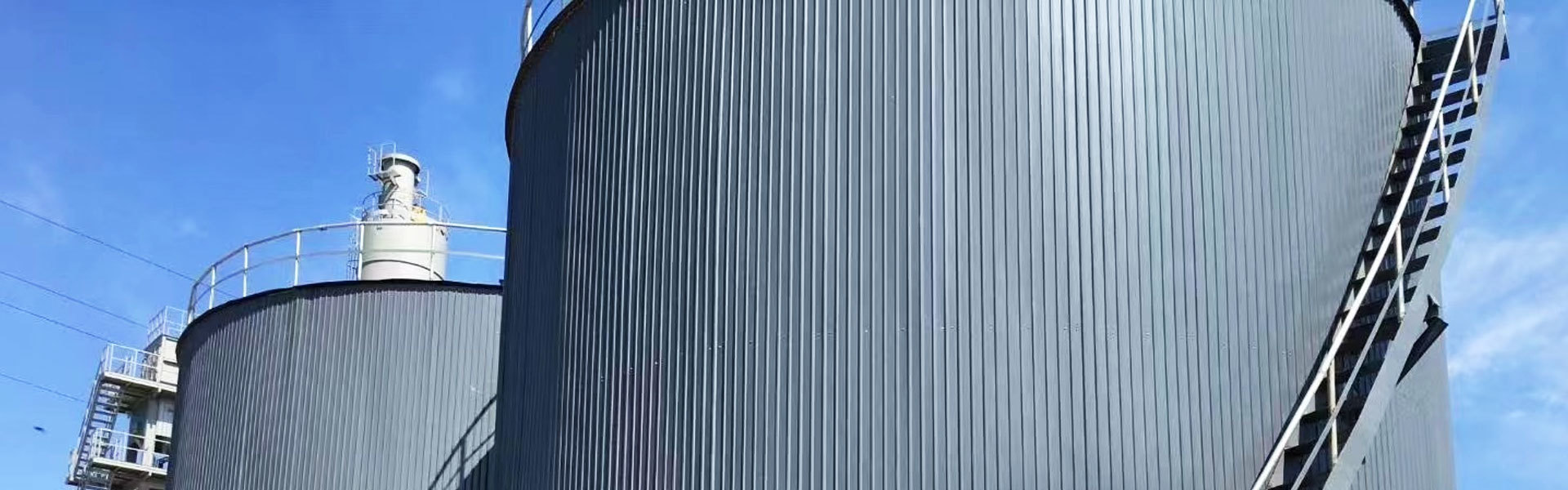
The thermal insulation structure of asphalt tank usually adopts a three-layer design: inner steel tank body, middle high-density thermal insulation layer and outer protective shell.
The insulation layer is filled with high-performance thermal insulation materials such as rock wool, glass wool or polyurethane foam, which can effectively reduce heat dissipation and maintain constant internal temperature for a long time.
The outer protective shell is made of color steel plate or galvanized steel sheet, which is waterproof, anti-corrosion and weatherproof, protecting the internal insulation layer from rain erosion and aging damage.
Reasonable insulation layer thickness design is essential; proper thickness avoids excessive heat loss in winter and prevents overheating and asphalt aging in high-temperature environments.
The heating system of asphalt tank mainly includes heat conduction oil heating, electric heating and flue gas heating three mainstream design solutions for different working conditions.
The heat conduction oil heating system adopts a circulating heating coil arranged inside the tank, with uniform heat transfer, small temperature difference, and effectively avoiding local overheating and asphalt deterioration.
Electric heating design arranges explosion-proof electric heating tubes at the bottom and side of the tank, featuring clean energy, simple layout, no fuel emission, and suitable for environmental protection restricted areas.
The heating system is matched with an intelligent temperature control module. Temperature sensors monitor real-time asphalt temperature and automatically start or stop heating to realize constant temperature intelligent control.
Circulating pipeline design is integrated into the heating system to realize internal asphalt circulation flow, prevent stratification and solidification, and keep the asphalt uniform in temperature and performance.
Sealing and heat preservation treatment are carried out for all pipelines and manhole covers to reduce heat loss at joints, improve overall thermal insulation efficiency and save long-term operating energy consumption.
Scientific thermal insulation structure and optimized heating system design can reduce energy consumption, ensure asphalt always maintains good fluidity, and meet continuous discharging and construction requirements.
LATESTS NEWS
sphalt Tank Insulation and Anti-Corrosion Design: How to Reduce Heat Loss and Extend Equipment Service Life
2026-01-09
Asphalt Tank Core Structure Analysis: Design Key Points of Insulation Layer, Heating System and Agitation Device
2025-12-15
Asphalt Tank Selection Guide: Core Decision Factors from Capacity and Material to Heating Method
2025-12-02
Emulsified Asphalt Equipment Selection Guide: How to Match Colloid Mill Types and Production Capacity to Road Construction Needs?
2025-11-24


