

Professional manufacturer of asphalt equipment
Asphalt tank base material proportion and anti-corrosion thermal insulation coating formula, integrated tank body heating coil and manhole assembly processing technology
Release Date:
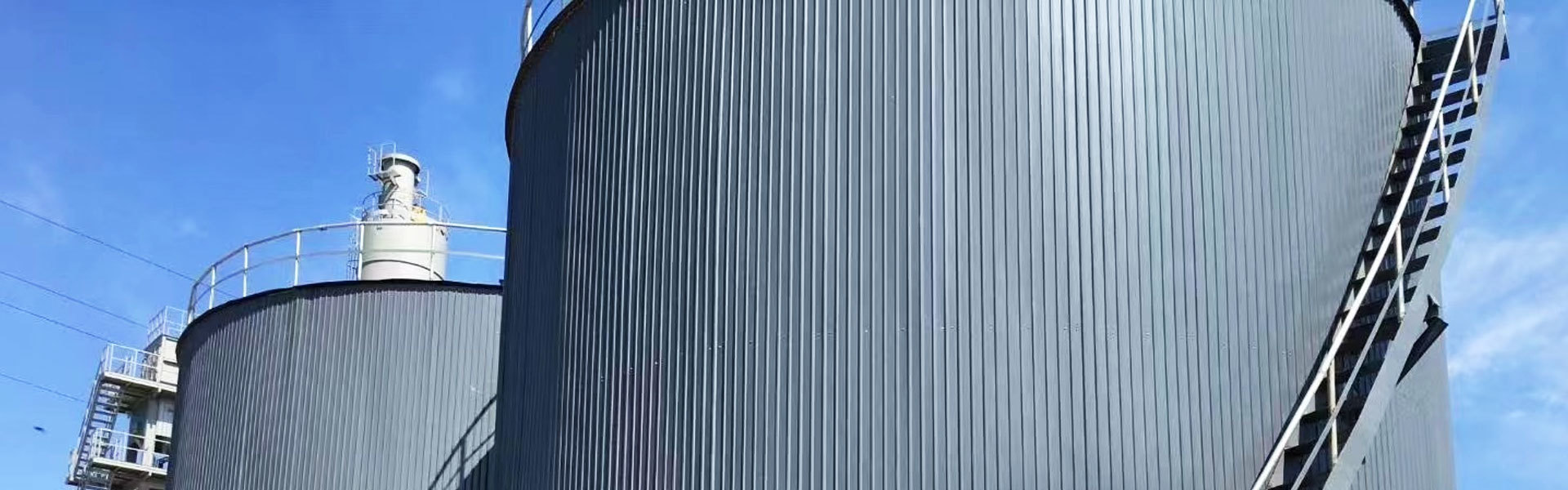
Asphalt tanks are key storage equipment for road engineering, asphalt terminals and mixing stations, used for long-term sealed storage of high-temperature liquid asphalt. Liquid asphalt operates under
Asphalt tanks are key storage equipment for road engineering, asphalt terminals and mixing stations, used for long-term sealed storage of high-temperature liquid asphalt. Liquid asphalt operates under constant high temperature, accompanied by corrosive substances, thermal circulation impact and frequent temperature alternation. Internal wall corrosion, heat loss, local asphalt coking and manhole leakage are common operational failures. The long-term service reliability and thermal storage efficiency of asphalt tanks depend on scientific base material proportion, anti-corrosion thermal insulation composite coating formula, and integrated assembly technology combining tank body, heating coil and manhole structure. Conventional asphalt storage vessels adopt ordinary carbon steel without optimized material composition, simple single-layer coating and separated component assembly. They suffer from rapid external corrosion, serious heat dissipation, uneven heating and sealing failure, unable to meet continuous high-temperature stable storage demands of modified asphalt and matrix asphalt.
1. Typical Pain Points of Traditional Asphalt Tank Manufacturing Structure
Common carbon steel plates lack alloy element adjustment, with poor resistance to thermal fatigue and atmospheric corrosion. Long-term alternating high temperature easily causes tank wall stress deformation and local rust perforation. Ordinary paint cannot integrate anti-corrosion and thermal insulation functions; single anti-corrosion coating fails to block corrosive media, while separate external insulation structure has gaps leading to large heat loss. Heating coils and manhole covers are produced and installed separately, resulting in accumulated assembly errors. Uneven coil layout causes local overheating and asphalt coking. Improper manhole fitting structure brings hidden leakage risks of asphalt flue gas and liquid medium, increasing maintenance frequency and energy consumption during operation.
2. Precision Base Material Proportion Technology for Asphalt Tank Steel Plate
Special steel plates for asphalt storage tanks adopt balanced base material composition design based on low-carbon steel. Trace chromium, manganese and silicon elements are reasonably added while strictly controlling sulfur and phosphorus impurities. Carbon content guarantees basic structural strength and weldability; manganese improves material toughness and inhibits thermal fatigue cracking under cyclic heating; trace chromium enhances atmospheric corrosion resistance and oxidation resistance at medium-high temperature; silicon elevates compactness of steel surface oxide layer. After cutting, rolling and stress relief annealing, the steel plate features stable dimensional performance, low thermal deformation rate and uniform welding performance, laying a solid structural foundation for large-volume asphalt storage tanks.
3. Anti-corrosion Thermal Insulation Composite Coating Formula Technology
Aiming at high-temperature storage environment, dual-layer functional coating system is adopted for asphalt tanks. The inner anti-corrosion primer uses high-temperature resistant epoxy modified resin, with anti-oxidation and medium isolation fillers to resist erosion from asphalt volatile components and acidic impurities. The outer thermal insulation surface coating consists of lightweight thermal barrier filler, weather-resistant resin and hydrophobic additives. The composite coating realizes inner anti-corrosion and outer heat preservation integration. It effectively reduces heat transfer loss, delays tank wall rusting, prevents dew condensation on external surface, and avoids coating peeling caused by frequent temperature change.
4. Integrated Tank Body Heating Coil and Manhole Assembly Processing Technology
Abandoning scattered separate installation mode, integrated positioning and assembly technology for heating coil and manhole is implemented. The tank body is formed with unified welding benchmark, and the coil installation support is pre-welded during tank rolling to ensure uniform coil layout and stable heating distribution. The manhole base undergoes integrated machining together with tank wall opening to control flatness and assembly tolerance. Optimized sealing structure is embedded at the joint of manhole cover and base. All positioning dimensions are calibrated in one station to avoid assembly offset. Integrated processing eliminates gaps between heating coil and tank wall, improves heat transfer efficiency, and enhances the sealing performance of manhole to prevent medium leakage and flue gas escape.
5. Synergistic Advantages of Base Material Proportion, Coating Formula and Integrated Assembly
Optimized steel plate base material improves thermal fatigue resistance and structural stability of the tank body; anti-corrosion thermal insulation composite coating reduces corrosion speed and heating energy consumption; integrated assembly of heating coil and manhole realizes uniform internal heating and reliable sealing. The three technologies work together to solve frequent problems such as tank wall corrosion, high heat loss, partial asphalt coking and manhole leakage, greatly extending the service cycle of asphalt tanks and lowering operating energy cost.
6. Application Value in Asphalt Storage Engineering
Asphalt tanks manufactured with this process are widely applied in asphalt mixing plants, highway construction sites, asphalt logistics terminals and municipal engineering projects. Suitable for storage of matrix asphalt, modified asphalt, emulsified asphalt and other products. The equipment features low heat loss, uniform heating, anti-corrosion and reliable sealing, ensuring long-term stable storage of liquid asphalt and meeting energy-saving and safe production specifications of road construction industry.
Conclusion
The core of manufacturing high-efficiency and durable asphalt tanks lies in scientific base material proportion, anti-corrosion thermal insulation coating formula, as well as integrated tank body heating coil and manhole assembly processing technology. Stable steel structure, dual-function protective coating and high-precision integrated components jointly build safe, energy-saving and long-life asphalt storage equipment, providing reliable supporting facilities for modern asphalt transportation and road construction projects.
LATESTS NEWS
sphalt Tank Insulation and Anti-Corrosion Design: How to Reduce Heat Loss and Extend Equipment Service Life
2026-01-09
Asphalt Tank Core Structure Analysis: Design Key Points of Insulation Layer, Heating System and Agitation Device
2025-12-15
Asphalt Tank Selection Guide: Core Decision Factors from Capacity and Material to Heating Method
2025-12-02
Emulsified Asphalt Equipment Selection Guide: How to Match Colloid Mill Types and Production Capacity to Road Construction Needs?
2025-11-24


