

Professional manufacturer of asphalt equipment
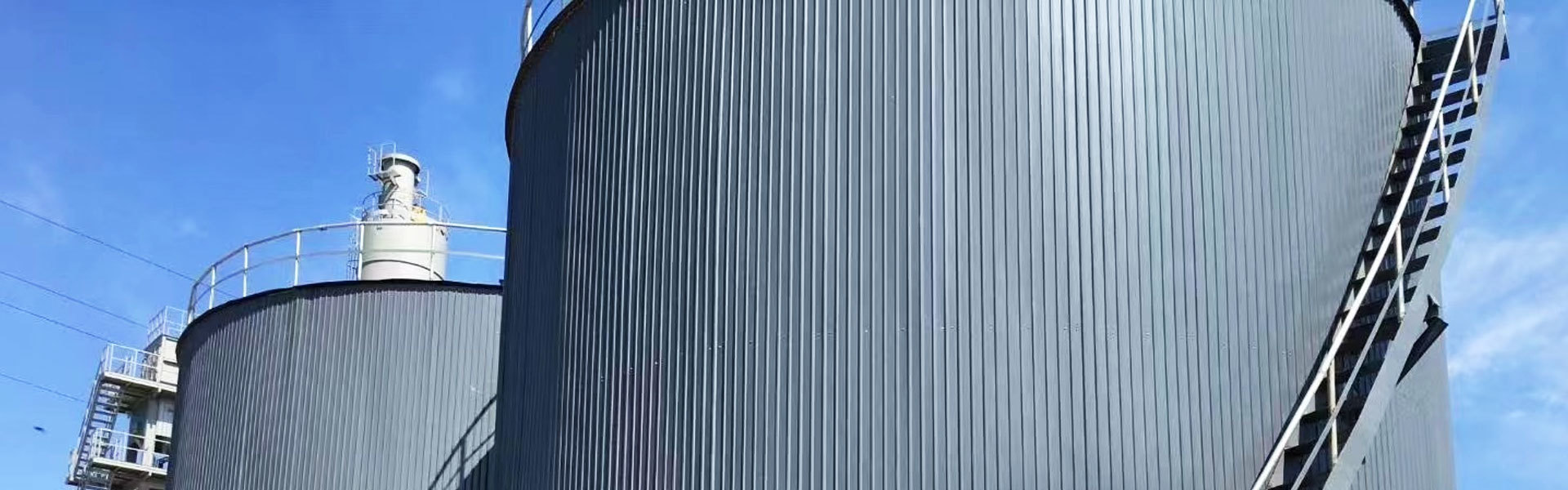
Mobile Construction Site Dedicated Insulated Asphalt Tank, Low Heat Loss Anti-Carbonization Craft
Release Date:
Mobile insulated asphalt tanks are specially developed for temporary highway construction yards, rural road maintenance, municipal engineering segmented projects and remote field construction sites. U
Mobile insulated asphalt tanks are specially developed for temporary highway construction yards, rural road maintenance, municipal engineering segmented projects and remote field construction sites. Unlike fixed large asphalt storage tanks, mobile tanks need frequent transportation, lifting and short-term intermittent heating, while maintaining low heat loss to avoid asphalt solidification and effectively inhibit asphalt carbonization and coking. Ordinary mobile asphalt tanks adopt thin single-layer insulation and uneven local heating structure, resulting in rapid heat dissipation, frequent heating startup, thick coke accumulation on tank bottom, and unstable asphalt performance affecting paving quality. This paper introduces targeted lightweight structural design and full low heat loss anti-carbonization production craft for mobile construction asphalt tanks, optimizes compact composite insulation, evenly distributed heating pipelines, inner wall anti-stick coating and shock-resistant transportation reinforcement technology, to meet the harsh working conditions of frequent relocation and intermittent heating at construction sites.
1. Common Failure Mechanisms of Ordinary Mobile Asphalt Tanks on Construction Sites
1.1 Thin split insulation layer with large heat loss, asphalt solidifies rapidly after shutdown
Conventional mobile tanks are equipped with thin separated rock wool without closed outer protective shell. During transportation and hoisting, the insulation layer shifts and gaps form, leading to severe air convection heat dissipation. Once the heating system stops for 2–4 hours, the asphalt near the tank wall cools down and solidifies completely, requiring long-time reheating and wasting massive fuel.
1.2 Concentrated local heating pipeline layout causes local ultra-high temperature carbonization
Simple heating pipes only laid on partial tank bottom, forming high-temperature hot spots while other areas stay cold. Long-term local overheating triggers asphalt thermal oxidation, forming hard coke layer attached to tank bottom and heating pipe surface; coke impurities mix into asphalt and reduce pavement anti-rutting performance.
1.3 Weak tank body structure deforms during transportation, insulation layer falls off
Lightweight thin steel frame lacks reinforcing rib structure. Frequent bumpy road transportation and crane lifting cause tank wall deformation, insulation core layer extrudes and separates, thermal insulation performance drops sharply after several transfers.
1.4 No anti-stick coating on inner wall, coke adheres tightly and difficult to clean
Bare steel inner wall has strong adhesion to high-temperature asphalt coke. Construction teams need to empty all asphalt and spend 1–2 days manually chiseling coke, causing construction shutdown and labor cost waste.
1.5 Incomplete sealing of tank manhole, discharge port and pipeline interface, heat escapes in large quantity
Ordinary rubber sealing strips age quickly under alternating high and low temperature, gaps appear at all connecting parts, forming continuous heat leakage channels, further increasing heating energy consumption and aggravating temperature unevenness inside the tank.
2. Mobile Site Dedicated Low Heat Loss Anti-Carbonization Structural Matching Design
2.1 Lightweight reinforced bearing tank body base structure
Main tank plate adopts 6–8mm Q245R pressure vessel steel, overall welding with external crisscross reinforcing ribs to improve anti-deformation performance during transportation. Integral heavy-duty skid base with lifting lugs, convenient for truck loading and crane hoisting without local stress deformation. The overall weight is controlled for mobile transfer while guaranteeing liquid pressure bearing capacity.
2.2 Three-layer compact closed composite low heat loss insulation system
Inner buffer layer: soft high-temperature resistant silica foam, fill small gaps between steel wall and insulation core to eliminate air convection heat loss; Middle core insulation layer: high-density closed-cell rock wool-polyurethane composite material, thermal conductivity ≤0.028 W/(m·K), high compression resistance not easy to collapse during transportation; Outer fully closed waterproof protective shell: 2mm color coated steel plate, all joints overlap and seal with high temperature weatherproof glue, completely wrap insulation layer to prevent rainwater infiltration and insulation displacement. The three layers are tightly attached without loose gaps, effectively control 24h natural heat loss rate below 4℃.
2.3 Full uniform spiral distributed heating pipeline anti-carbonization layout
Thermal oil heating pipes adopt continuous spiral symmetrical layout covering tank bottom and lower half tank wall, uniform heat transfer without heating dead angle. Pipeline spacing evenly controlled to keep internal asphalt temperature difference within ±3℃, avoid local overheating hot spots. Each heating pipe wrapped with thin independent insulation cotton to reduce pipeline heat loss and prevent partial temperature surge.
2.4 High temperature anti-stick anti-coking inner wall coating unit
Tank inner wall, heating pipeline surface and discharge outlet all sprayed double-layer inorganic silicon anti-stick coating, cured by high-temperature baking. The coating forms smooth isolation layer, asphalt coke cannot adhere firmly, simple hot flushing can clear residue, fundamentally reduce carbonization accumulation caused by long-term intermittent heating.
2.5 Multi-position high-temperature resistant closed sealing structure
Manhole cover, asphalt inlet/outlet, thermometer interfaces and pipeline flanges adopt double-layer silicone high temperature sealing strips, equipped with compression locking mechanism to avoid gap expansion under temperature alternation. Top tank cover laid thickened composite insulation layer to eliminate top heat loss channel.
3. Full Low Heat Loss Anti-Carbonization Production Craft for Mobile Asphalt Tanks
3.1 Tank body shot blasting & full anti-corrosion pretreatment craft
All steel plates and welds pass Sa2.5 shot blasting derusting, then spray double-component epoxy zinc rich high temperature resistant primer, fully cover inner and outer surfaces to prevent corrosion under alternating high-low temperature and transportation vibration. Plasma precise cutting ensures neat plate edges without insulation splicing gaps.
3.2 Full penetration automatic welding anti-leakage & anti-deformation process
Adopt submerged arc automatic welding for tank cylinder, double-sided full penetration welding to avoid tiny seepage gaps. Weld seams polished smooth without pits to prevent coke accumulation. External reinforcing ribs welded at equal intervals to release transportation vibration stress, reduce tank wall deformation amplitude during bumpy transfer.
3.3 Gapless layered closed insulation wrapping energy-saving craft
After inner wall coating curing, carry out layered insulation wrapping construction: rock wool composite core laid staggered without straight-through splicing seams; outer protective shell plate overlapped and sealed with weatherproof silicone glue, no exposed insulation at all corners, bottom and top. Fixed compression pressing strips installed to lock insulation layer to prevent shifting during transportation shaking.
3.4 Inner wall double-layer anti-coking coating baking curing technology
After thorough dust removal inside tank, spray first layer inorganic silicon anti-stick coating, natural curing 24h; spray second layer coating and send to constant temperature oven at 120℃ for 4h baking to strengthen coating adhesion. Cured coating can withstand long-term 170℃ asphalt contact without peeling.
3.5 Integrated heating pipeline pre-installation uniform temperature forming craft
Spiral heating pipes pre-fixed on tank inner wall with high temperature resistant pipe clamps, symmetrical arrangement without local dense layout. All pipe joints welded seamlessly to avoid oil leakage, wrapped with independent insulation cotton before inner wall coating construction to eliminate pipeline heat loss points.
3.6 Transportation vibration aging stabilization post-processing craft
Finished tank undergoes simulated bump transportation vibration test for 8 hours before delivery, eliminate internal assembly loose hidden danger; re-inspect insulation sealing and coating integrity to ensure no insulation falling off or coating peeling after field transfer.
4. Auxiliary Supporting Optimization Technologies for Mobile Construction Sites
4.1 Bottom thickened waterproof anti-cold insulation craft
Tank skid base laid extra thick composite insulation plate, isolate ground cold conduction during outdoor parking, prevent asphalt solidification at tank bottom after heating shutdown.
4.2 Automatic constant temperature interlock control system matching
Multi-point temperature sensors installed inside tank, heating system automatically start and stop to maintain constant storage temperature, avoid continuous overheating operation leading to asphalt carbonization, reduce unnecessary fuel consumption during intermittent construction.
4.3 Quick disassembly interface design for easy field transfer
Thermal oil pipeline, power supply and discharge port adopt quick coupling connectors, no complex welding disassembly during site relocation, shorten transfer construction period and avoid sealing damage caused by repeated disassembly.
5. Mobile Tank Defects & Targeted Rectification Countermeasures
5.1 Asphalt solidifies quickly after heating shutdown, high fuel consumption: split thin insulation with gaps, outer shell not fully closed; replace three-layer compact composite insulation, re-seal all outer shell joints with weatherproof glue, install compression fixing strips to lock insulation layer.
5.2 Thick coke accumulates on tank bottom and heating pipes, difficult to clean: local concentrated heating layout, no anti-stick coating; rearrange full spiral evenly distributed heating pipelines, thoroughly polish inner wall and re-spray double-layer high temperature anti-coking coating.
5.3 Insulation layer falls off after several transportation transfers, tank deforms: insufficient external reinforcing ribs, loose insulation fixing; add crisscross reinforcing ribs, install full circle compression pressing strips to lock insulation core layer.
5.4 Heat leakage from manhole and pipeline flange, uneven internal temperature: ordinary low temperature sealing strips aging quickly; replace double-layer high temperature silicone sealing strips, install compression locking mechanism for all connecting interfaces.
6. Low Heat Loss Anti-Carbonization Acceptance Inspection Standard
1. Three-layer composite insulation thermal conductivity ≤0.028 W/(m·K), 24h static heat loss ≤4℃;
2. Internal asphalt temperature difference ≤±3℃ under continuous heating, no local overheating carbonization area;
3. Inner wall anti-coking coating adhesion grade 1, no peeling after 800h high temperature immersion test;
4. Simulated bump transportation vibration test 8h, insulation layer no displacement, tank wall no obvious deformation;
5. Full closed outer protective shell, water absorption rate of insulation core ≤1% after rainwater immersion test;
6. 1000 times intermittent heating cycle test, no thick coke layer formed on tank inner wall and heating pipeline surface.
7. Construction Site Daily Operation & Transfer Maintenance Specification
Before transportation, check outer shell sealing glue and insulation compression strips to fix loose parts; after arriving at new construction yard, inspect heat loss index before starting heating; avoid long-term overheating above 170℃ to slow asphalt carbonization; clean tank inner coke residue with hot asphalt flushing every construction cycle; regularly replace aging silicone sealing strips at manhole and pipeline joints to reduce heat leakage.
Conclusion
The core advantages of mobile construction dedicated insulated asphalt tank low heat loss and anti-carbonization craft are embodied in two major integrated systems: three-layer fully closed compact composite insulation structure effectively suppresses heat loss and insulation displacement during frequent transportation; full spiral evenly distributed heating pipeline matched with double-layer inner wall anti-stick coating eliminates local high-temperature hot spots and inhibits asphalt carbonization and coking. Combined with reinforced anti-deformation tank frame, full penetration welding and vibration aging stabilization post-processing, the mobile tank adapts to frequent hoisting, bumpy transfer and intermittent heating working conditions of temporary road construction sites, cutting heating fuel consumption and coke cleaning shutdown loss, and stably guaranteeing asphalt paving quality for segmented municipal and highway projects.
LATESTS NEWS
sphalt Tank Insulation and Anti-Corrosion Design: How to Reduce Heat Loss and Extend Equipment Service Life
2026-01-09
Asphalt Tank Core Structure Analysis: Design Key Points of Insulation Layer, Heating System and Agitation Device
2025-12-15
Asphalt Tank Selection Guide: Core Decision Factors from Capacity and Material to Heating Method
2025-12-02
Emulsified Asphalt Equipment Selection Guide: How to Match Colloid Mill Types and Production Capacity to Road Construction Needs?
2025-11-24


