

Professional manufacturer of asphalt equipment
Energy-Saving Insulated Asphalt Tank Plate Material Matching, Anti-Aging Constant Temperature Storage Processing Technology
Release Date:
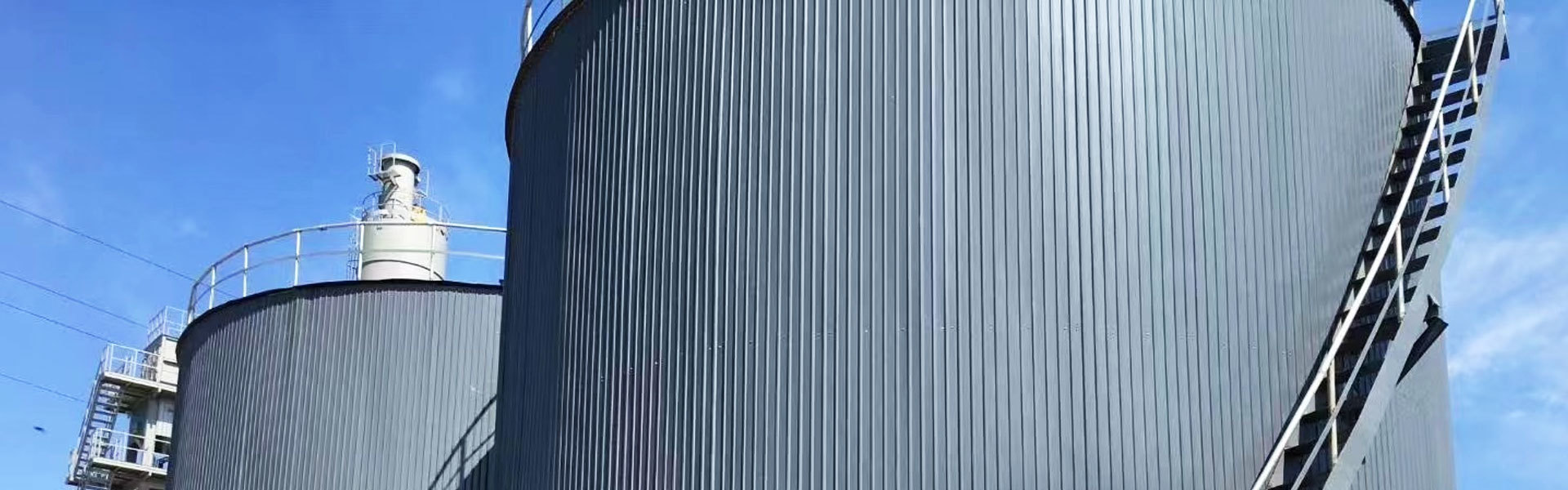
Insulated asphalt storage tank is the core supporting equipment of asphalt mixing station, road construction engineering and modified bitumen production line, which keeps liquid asphalt at constant te
Insulated asphalt storage tank is the core supporting equipment of asphalt mixing station, road construction engineering and modified bitumen production line, which keeps liquid asphalt at constant temperature to prevent solidification, coking and performance degradation. Ordinary single-layer steel tanks have serious heat loss, high long-term fuel consumption, and the inner wall is prone to aging corrosion and asphalt carbonization under long-term high-temperature storage. This paper introduces multi-layer composite energy-saving insulation plate standardized material matching scheme of asphalt tank, analyzes heat dissipation and aging failure mechanism, and optimizes integral welding, internal anti-coking coating and closed thermal insulation wrapping processing technology, to realize low heat loss, anti-corrosion anti-aging and stable constant temperature storage of asphalt, effectively reducing heating energy consumption of mixing station.
1. Defect Mechanism of Ordinary Single-Layer Asphalt Tank in Long-Term Storage
1.1 Single steel plate large heat conduction loss, high heating energy consumption
Bare carbon steel tank wall has high thermal conductivity, a large amount of heat diffuses to the outside air during asphalt constant temperature preservation. The heating system needs to work continuously to supplement heat, resulting in excessive fuel or electricity consumption, and increasing the long-term operation cost of the mixing station.
1.2 Lack of closed insulation layer, local temperature difference causes asphalt coking
Semi-open or thin insulation structure leads to uneven temperature distribution inside the tank. The asphalt close to the tank wall has excessive local temperature, prone to thermal oxidation carbonization, forming hard coke attached to the inner wall, which affects asphalt quality and blocks discharge pipelines.
1.3 Unprotected steel plate aging corrosion under high temperature and steam
Hot asphalt produces tiny steam and acidic volatile substances, which erode uncoated carbon steel inner wall. Rust pits form after long-term corrosion, and rust impurities fall into asphalt to reduce road paving performance; outer tank wall suffers wind, rain and ultraviolet radiation, paint peels off and rust spreads rapidly.
1.4 Separated insulation layer absorbs rainwater, thermal insulation performance attenuates sharply
Non-closed external insulation wrapping has gaps, rainwater and moisture penetrate into the insulation material after outdoor placement. The thermal conductivity of wet insulation increases exponentially, the heat preservation effect fails completely, and the tank body has local cold areas to solidify asphalt.
1.5 Thin ordinary anti-rust coating fails under long-term high temperature circulation
Conventional single-layer anti-rust paint cannot withstand repeated alternating high and low temperature inside and outside the tank, cracking and peeling occur in a short period, losing anti-corrosion protection, accelerating tank wall aging and shortening tank service life.
2. Multi-Layer Composite Energy-Saving Insulation Tank Plate Material Matching Design
2.1 Inner anti-corrosion bearing steel plate layer (direct contact with asphalt)
Base material: Q245R pressure vessel steel plate, uniform internal grain, good high temperature resistance and welding performance, tensile strength stable under long-term 160℃ asphalt storage environment. Plate thickness matched according to tank volume: small mobile tank 6–8mm, large vertical storage tank 10–12mm, sufficient structural rigidity to avoid deformation under liquid asphalt pressure.
2.2 Middle high-density closed-cell thermal insulation core layer (core energy-saving layer)
Raw material matching: high-temperature resistant rock wool composite with closed-cell polyurethane foam, mixing ratio rock wool 65% + modified polyurethane 35%. Rock wool bears high temperature isolation, polyurethane fills all gaps to block air convection heat loss; overall thermal conductivity ≤0.028 W/(m·K), greatly reducing outward heat transfer. The composite insulation material has low water absorption rate, effectively preventing rainwater infiltration and damp failure.
2.3 Outer weatherproof protective steel plate layer (external anti-aging shell)
Adopt 304 stainless steel thin plate or color coated weather resistant steel plate, thickness 2–3mm. The outer shell completely wraps the insulation core layer to form a fully closed waterproof and anti-ultraviolet protective layer, isolating wind, rain, snow and sunlight radiation, preventing insulation layer damp and aging, and delaying the outer wall corrosion of the tank body.
2.4 Auxiliary supporting functional material matching
Inner wall anti-coking coating: high temperature resistant inorganic silicon anti-stick coating, non-stick asphalt, easy to clean carbonized residue; Sealing filler for insulation gap: high temperature resistant silicone closed-cell strip, block air convection heat loss at welding seams and splicing gaps; Anti-corrosion primer for steel plate: double-component high temperature resistant epoxy zinc rich primer, isolate asphalt steam and air moisture to prevent steel oxidation.
3. Anti-Aging Constant Temperature Full Tank Processing Technology
3.1 Steel plate pretreatment homogenization anti-aging craft
All inner and outer steel plates pass shot blasting to remove surface rust and oxide scale, reach Sa2.5 cleanliness grade; then spray double-layer epoxy zinc rich primer, evenly cover all surfaces including cutting edges and welding bevels, eliminate corrosion hidden danger from the source. Steel plate cutting adopts plasma precise cutting to avoid uneven cutting edges forming insulation gap.
3.2 Full penetration symmetrical integral welding anti-leakage process
Tank body adopts submerged arc automatic integral welding, inner and outer double-sided welding to ensure full penetration without tiny welding pores. Welds are polished smoothly without sharp pits to avoid local high temperature carbonization residue accumulation. All welding seams are coated with additional anti-corrosion sealant to prevent asphalt steam penetrating into insulation layer through tiny gaps.
3.3 Layer-by-layer closed seamless insulation wrapping energy-saving craft
After tank body welding and inner wall coating curing, carry out layered insulation wrapping: first lay rock wool polyurethane composite core layer without gaps, all splicing joints staggered layout to avoid straight-through heat conduction channels; then wrap outer stainless steel protective shell, all shell joints overlap and seal with weather resistant silicone glue, form fully closed waterproof insulation whole, prevent rainwater immersion and air convection heat loss.
3.4 Inner wall high temperature anti-coking coating curing process
After tank internal polishing and dust cleaning, spray two layers of inorganic silicon anti-stick coating, each layer natural curing 24 hours, overall high temperature baking at 120℃ to enhance coating adhesion. The cured coating can withstand long-term 180℃ asphalt contact, asphalt residue is easy to flush, effectively reduce carbonization coking caused by local overheating.
3.5 Circulation heating pipeline embedded heat uniform processing craft
Thermal oil heating pipelines are embedded in the inner interlayer of the tank bottom and tank wall, evenly distributed in spiral symmetry layout, avoid local heating dead angle. The pipeline surface is wrapped with thin insulation cotton to prevent pipeline heat loss, make the internal asphalt temperature difference controlled within ±3℃, eliminate cold zone solidification and high temperature coking zone.
4. Auxiliary Optimization Technology to Stabilize Long-Term Constant Temperature Storage
4.1 Top and bottom closed thermal insulation anti-condensation craft
Tank top cover and tank bottom base are equipped with thickened composite insulation layer, tank bottom additionally laid waterproof anti-pressure base plate to isolate ground cold conduction, prevent tank bottom asphalt solidification caused by ground heat loss.
4.2 External anti-ultraviolet weathering protection craft
The outer stainless steel shell surface is treated with passivation film, color coated steel plate adds weather resistant topcoat, long-term outdoor exposure will not fade, crack or peel, delay outer shell aging and insulation layer damage.
4.3 Over-temperature automatic interlock temperature control system matching
Multi-point temperature sensors are installed inside the tank to monitor asphalt temperature in real time, the heating system automatically adjusts thermal oil flow to avoid local overheating coking, maintain stable constant temperature state and reduce unnecessary heating energy consumption.
5. Material Matching & Processing Defects and Rectification Countermeasures
5.1 High fuel consumption, asphalt solidifies quickly after heating shutdown: thin single insulation layer, open wrapping with air convection; replace three-layer composite insulation plate, re-wrap fully closed outer protective shell, fill all splicing gaps with sealing strip.
5.2 Thick coke layer adheres to tank inner wall, difficult to clean: no anti-coking coating, heating pipeline uneven layout; polish inner wall thoroughly, spray double-layer high temperature inorganic silicon anti-stick coating, rearrange symmetrical spiral heating pipelines to eliminate local overheating dead angle.
5.3 Outer tank wall rusts seriously, insulation layer damp and invalid: thin unclosed outer shell, incomplete primer treatment; replace 304 stainless steel outer protective plate, re-shot blast and double priming for tank body, seal all shell joints with weather resistant glue.
5.4 Welding seam seepage of asphalt steam, insulation core layer deteriorated: single-sided incomplete penetration welding, weld without sealing protection; re-weld double-sided full penetration, polish weld and supplement anti-corrosion sealant covering.
5.5 Tank plate deforms after long-term high temperature storage: thin inner bearing steel plate without high temperature tempering; replace thickened Q245R pressure vessel steel plate, adopt low-stress welding process to eliminate welding residual deformation.
6. Energy-Saving Insulated Asphalt Tank Acceptance Inspection Standard
1. Three-layer composite insulation overall thermal conductivity ≤0.028 W/(m·K), 24h natural heat loss rate ≤3℃;
2. Inner wall anti-coking coating adhesion grade 1, no peeling after 1000h high temperature immersion test;
3. Full penetration double-sided welding, water pressure tightness test no leakage, welding seam anti-corrosion intact;
4. Outdoor aging simulation test 1000 hours, outer protective shell no paint peeling, insulation layer water absorption rate ≤1%;
5. Internal asphalt temperature difference ≤±3℃ under continuous heating operation, no local high temperature coking area;
6. Long-term storage test 30 days, asphalt viscosity change rate ≤2%, no obvious oxidation deterioration.
7. Daily Operation & Maintenance Specification to Extend Anti-Aging Service Life
Regularly check the outer protective shell seal joints every month to repair cracked weather resistant glue in time to prevent rainwater infiltration; quarterly inspect the inner wall anti-coking coating for peeling, clean coke residue with high temperature cleaning agent; annually detect insulation layer heat loss rate, supplement insulation cotton at thinning positions; avoid frequent ultra-high temperature heating exceeding 170℃ to slow down inner wall coating aging and asphalt oxidation.
Conclusion
The core of energy-saving insulated asphalt tank low energy consumption and anti-aging constant temperature storage lies in three-layer composite plate material matching: Q245R pressure vessel steel inner layer bears liquid pressure and high temperature, rock wool-polyurethane composite middle core layer achieves ultra-low heat loss energy saving, stainless steel outer shell fully closed waterproof anti-ultraviolet protection. Combined with steel plate shot blasting double anti-corrosion priming, full penetration integral welding, seamless closed insulation wrapping and inner wall high temperature anti-coking coating baking process, the tank body effectively blocks heat loss, asphalt carbonization and tank wall corrosion aging. This set of plate matching and processing technology can significantly reduce the daily heating fuel consumption of mixing stations, stabilize asphalt storage quality for a long time, and extend the overall service life of asphalt storage tank equipment.
LATESTS NEWS
sphalt Tank Insulation and Anti-Corrosion Design: How to Reduce Heat Loss and Extend Equipment Service Life
2026-01-09
Asphalt Tank Core Structure Analysis: Design Key Points of Insulation Layer, Heating System and Agitation Device
2025-12-15
Asphalt Tank Selection Guide: Core Decision Factors from Capacity and Material to Heating Method
2025-12-02
Emulsified Asphalt Equipment Selection Guide: How to Match Colloid Mill Types and Production Capacity to Road Construction Needs?
2025-11-24


