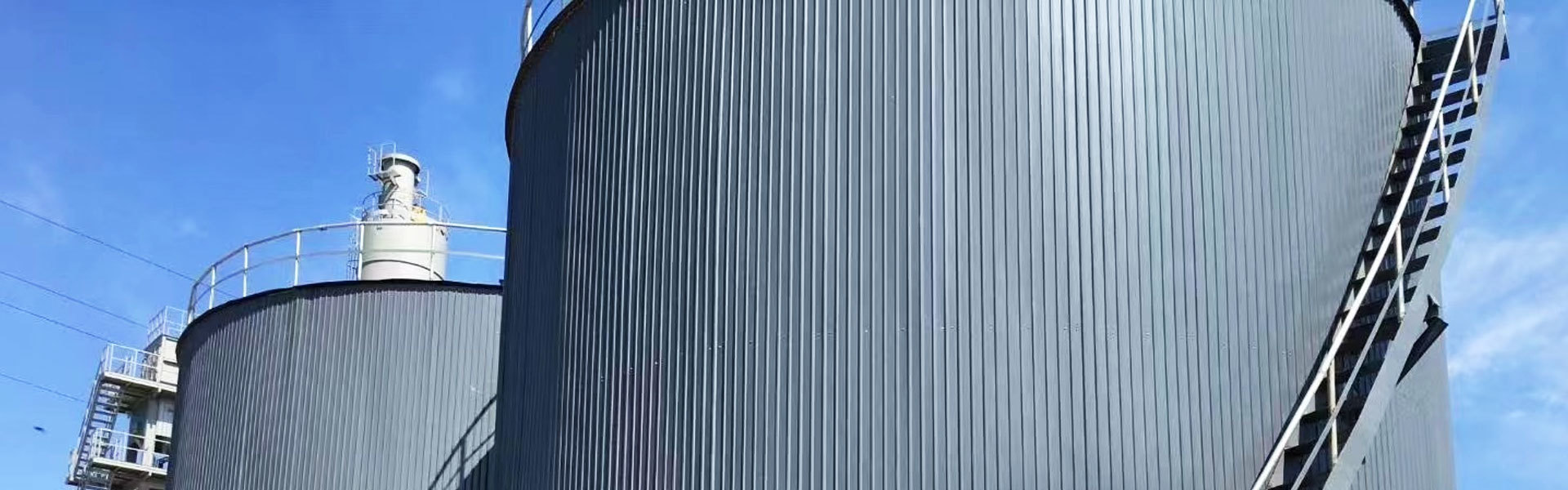
Mobile asphalt tanks are critical for road construction, offering flexibility for on-site asphalt storage and supply. Their transportation and installation directly impact operational safety, asphalt
Mobile asphalt tanks are critical for road construction, offering flexibility for on-site asphalt storage and supply. Their transportation and installation directly impact operational safety, asphalt quality, and construction efficiency. Below is a concise guide to key technologies and procedures.
1. Pre-Transportation Preparation
Equipment Inspection: Check tank body, welding seams, heating/insulation systems, safety valves, and chassis (tire pressure, brakes). Clean the tank interior and secure detachable parts.
Route & Permits: Survey routes to ensure load-bearing capacity, avoid restrictions, and obtain over-limit transportation permits. Prepare emergency plans for traffic or weather issues.
Loading & Fixing: Use professional cranes for balanced lifting. Secure the tank with steel wire ropes and rubber pads on the transport vehicle, ensuring stable center of gravity.
2. Transportation Safety Control
Vehicle & Driver: Select qualified transport vehicles with GPS and speed limiters. Drivers must have relevant certifications and receive safety training.
Process Control: Maintain speeds (≤60km/h on highways, ≤30km/h on rural roads), avoid sudden maneuvers. Regularly inspect tank fixing, tires, and brakes during long-distance transport.
Special Conditions: Slow down on bridges, arrange traffic guides for narrow roads, and avoid extreme weather transport.
3. On-Site Installation
Site Preparation: Choose a flat, drained site away from flammables. Level and reinforce the foundation with gravel/concrete, set up drainage and safety warnings.
Positioning & Leveling: Hoist the tank to the target position, level it (allowable error ≤3mm/m horizontal, ≤5mm/m vertical), and fix supporting legs with anchor bolts.
Pipeline & Electrical Connection: Connect inlet/outlet, heating, and exhaust pipelines tightly with high-temperature gaskets. Conduct a 30-minute pressure test. Wire electrical equipment correctly, install leakage protectors, and debug heating/temperature control functions.
Safety Equipment: Install calibrated safety valves, pressure/temperature gauges, and fire-fighting equipment (dry powder extinguishers, fire sand) nearby.
4. Commissioning & Acceptance
Empty Load Test: Run the heating system (120-150℃), check temperature uniformity and agitator/pump operation. Inspect for leaks.
Load Test: Inject asphalt (≤80% of rated capacity), heat to construction temperature, and verify discharge smoothness and emergency shutdown function.
Acceptance: Conduct joint acceptance with construction, supervision, and supplier teams. Review documents and hand over operation manuals.
5. Key Safety & Quality Controls
Safety: Prohibit open flames near the tank, require operators to wear protective gear. Regularly inspect safety equipment and conduct emergency drills.
Quality: Use certified materials and qualified welders. Inspect key processes (positioning, welding) and maintain the tank regularly for anti-corrosion and lubrication.
Conclusion
Scientific transportation planning, standardized installation, and strict safety/quality control ensure stable operation of mobile asphalt tanks. Flexibly adjust schemes based on project and site conditions to support efficient road construction.