

Professional manufacturer of asphalt equipment
Installation and Foundation Design for Large Asphalt Tanks: Balancing Load-Bearing and Safety
Release Date:
Installation and Foundation Design for Large Asphalt Tanks: Balancing Load-Bearing and Safety Large asphalt tanks, essential for storing and heating bulk asphalt in road construction, industrial manufacturing, and infrastructure projects, present unique c
Installation and Foundation Design for Large Asphalt Tanks: Balancing Load-Bearing and Safety
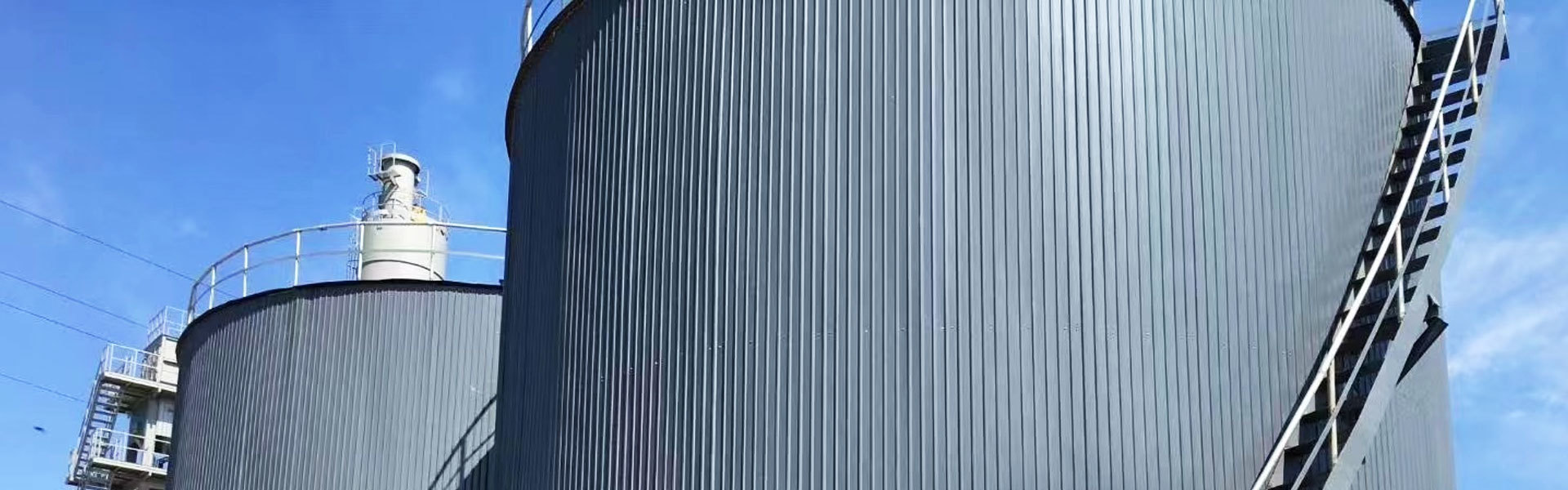
Large asphalt tanks, essential for storing and heating bulk asphalt in road construction, industrial manufacturing, and infrastructure projects, present unique challenges in installation and foundation design. These structures—often holding thousands of liters of high-temperature asphalt—must balance robust load-bearing capacity with strict safety protocols to prevent structural failure, leaks, or environmental hazards. This article explores the critical considerations in foundation design, installation procedures, and safety measures to ensure long-term reliability.
1. Foundation Design: The Cornerstone of Load-Bearing Capacity
The foundation of a large asphalt tank is its first line of defense against structural stress, as the tank’s total weight (including asphalt, equipment, and thermal expansion forces) can exceed hundreds of tons. A well-engineered foundation must account for soil conditions, load distribution, and environmental factors to avoid 沉降,cracks, or collapse.
Key Foundation Design Considerations:
Soil Analysis: Prior to construction, geotechnical testing (e.g., soil bearing capacity, compaction, and drainage) determines the foundation type. For weak or unstable soils, techniques like soil stabilization (using lime or cement) or deep foundations (piles or caissons) are required to distribute loads evenly.
Foundation Type:
Reinforced Concrete Slabs: The most common choice for large tanks, these slabs (typically 300–500mm thick) include steel reinforcement to resist bending and cracking. They are poured on a bed of compacted gravel for drainage.
Ring Walls: Used for vertical tanks, concrete ring walls support the tank’s perimeter, reducing stress on the base. They are paired with a gravel or concrete base slab to handle internal loads.
Load Distribution: The foundation must distribute the tank’s weight (dead load) and dynamic loads (e.g., thermal expansion, wind, or seismic activity) across its entire surface. Engineers calculate load per square meter to ensure soil bearing capacity is not exceeded (typically 150–300 kPa for industrial sites).
Drainage Systems: Poor drainage can weaken soil and cause foundation erosion. Gravel layers, French drains, or perimeter ditches prevent water accumulation beneath or around the foundation.
2. Installation Procedures: Precision and Safety in Assembly
Installing a large asphalt tank involves lifting heavy components, welding, and integrating heating systems—all requiring strict adherence to safety standards to protect workers and prevent equipment damage.
Critical Installation Steps:
Site Preparation: Clear the area of debris, level the ground, and compact the subsoil to ensure a stable base. For concrete foundations, formwork is set, and reinforcement bars are placed before pouring concrete, which must cure for 28 days to reach full strength.
Tank Placement: Using cranes or hydraulic jacks, the tank is carefully lowered onto the foundation. Alignment is critical: vertical tanks must be plumb (within ±5mm per meter) to avoid uneven stress, while horizontal tanks require proper support saddles spaced to prevent shell deformation.
Sealing and Welding: Joints between tank sections (e.g., shell plates, manholes, or inlet/outlet pipes) are welded using certified procedures (e.g., SMAW or GMAW) to ensure leakproof integrity. Post-weld inspections (ultrasonic testing or X-rays) verify weld quality.
Integration of Systems: Heating elements (e.g., oil-fired burners, electric heaters) and insulation (rock wool, polyurethane) are installed to maintain asphalt at 160–180°C. Piping for filling/discharging is connected with pressure valves and leak detectors.
3. Safety Measures: Mitigating Risks in Operation and Maintenance
Large asphalt tanks operate under high temperatures and pressure, posing risks of fire, explosion, or asphalt spills. Safety design and protocols are integral to preventing accidents.
Key Safety Features:
Overfill Protection: Level sensors (e.g., ultrasonic or float switches) trigger alarms or automatic shutoffs when asphalt reaches maximum capacity, preventing overflow.
Pressure and Temperature Controls: Thermostats and pressure relief valves (PRVs) prevent overheating or excessive pressure buildup, which could rupture the tank.
Fire Prevention: Tanks are equipped with fire extinguishers, spark arrestors on vents, and heat-resistant coatings. For above-ground tanks, a bund wall (a containment barrier) surrounds the base to contain spills (capacity ≥110% of the tank’s volume).
Corrosion Resistance: Tanks are coated with epoxy or zinc-rich paints to resist rust from moisture or asphalt additives. Regular inspections (visual checks, ultrasonic thickness testing) identify corrosion early.
4. Compliance and Standards: Ensuring Regulatory Adherence
Design and installation must comply with international standards, such as:
API 650 (American Petroleum Institute) for welded storage tanks.
EN 14015 (European Standard) for horizontal storage tanks.
Local codes (e.g., OSHA in the U.S., HSE in the UK) for safety distances, electrical installations, and environmental protection.
Conclusion
The installation and foundation design of large asphalt tanks demand a holistic approach—blending geotechnical engineering, structural precision, and safety foresight. By prioritizing soil analysis, load distribution, and compliance with standards, engineers can create foundations that bear extreme weights while mitigating risks. Coupled with rigorous installation protocols and safety features, these tanks ensure reliable, long-term operation, supporting critical infrastructure projects while protecting workers and the environment.
LATESTS NEWS
sphalt Tank Insulation and Anti-Corrosion Design: How to Reduce Heat Loss and Extend Equipment Service Life
2026-01-09
Asphalt Tank Core Structure Analysis: Design Key Points of Insulation Layer, Heating System and Agitation Device
2025-12-15
Asphalt Tank Selection Guide: Core Decision Factors from Capacity and Material to Heating Method
2025-12-02
Emulsified Asphalt Equipment Selection Guide: How to Match Colloid Mill Types and Production Capacity to Road Construction Needs?
2025-11-24


