Sealant Potting
The traditional asphalt filling process is replaced by the sealant joint filling process. Dealing with asphalt pavement cracks is a major improvement in current road maintenance technology. The traditional technology is limited by the low-temperature brittleness and high-temperature softening of asphalt materials, and the repaired cracks will re-crack after a year of surface layer expansion and contraction as the temperature changes.
Keywords:
Sealant,Potting,
Categores:
Caulking Glue
Product Enquiries:
+86-17705341945Product description
Product Introduction
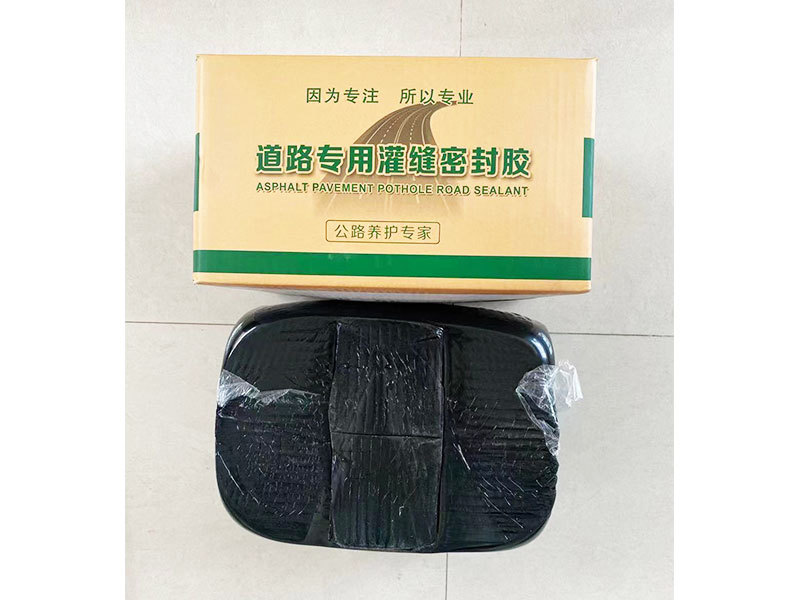
The traditional asphalt filling process is replaced by the sealant joint filling process. Dealing with asphalt pavement cracks is a major improvement in current road maintenance technology. The traditional technology is limited by the low-temperature brittleness and high-temperature softening of asphalt materials, and the repaired cracks will re-crack after a year of surface layer expansion and contraction as the temperature changes. The existence of this problem increases the workload and material cost of pavement maintenance, and the sealant filling process overcomes the defects of traditional asphalt materials in terms of material performance. Fumei pavement crack sealant, its main component is a composite material of modified asphalt and heat-shrinkable rubber. The main feature is low viscosity at high temperature and high elasticity at low temperature, depending on the ambient temperature in the area where it is used. The product is divided into cold and low temperature type, ordinary temperate type, and hot high temperature type; according to the heating method, the product can be divided into direct heating type and indirect heating type.
Performance Features
Fumei series sealants are composite materials of solid modified asphalt and thermoplastic rubber, with fast hot melting, strong adhesion, and good resistance to deformation recovery. Compared with other types of sealants, this type has the characteristics of low consistency and easy penetration into various cracks. In summer, its high-temperature softening point can reach 96°C; in winter, its low-temperature resistance can reach approximately -23°C, so it is more suitable for temperate environments with large temperature differences.
1. Strong adhesion and high elasticity
2. Good high temperature stability and low temperature embrittlement resistance
3. Extremely high water damage resistance and aging resistance
4. Compared with traditional potting materials, it is convenient, durable, environmentally friendly and energy-saving, and can effectively extend the maintenance cycle and reduce the number of maintenance times.
Operating temperature:185℃-210℃
Calculate material usage
According to the empirical formula accumulated by Fumei Company for many years of practical experience and theoretical research, when the polymer road sealant is at the specified construction temperature, 1kg of sealant can seal a crack with a length of 8m, a width of 1cm, and a depth of 1cm.
For example: a longitudinal crack with a width and depth of 2cm is as long as 15m, and the amount of sealant is: 2×2×15×0.12=7.2kg
Heat sealant
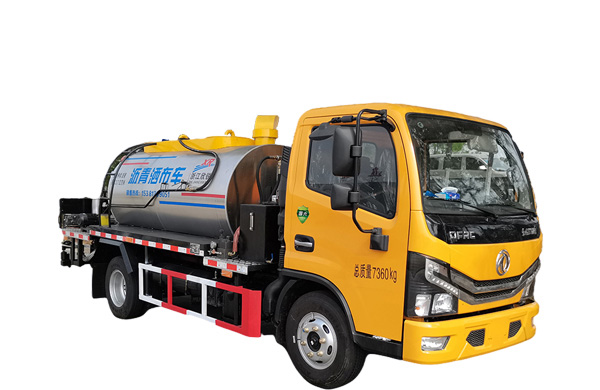
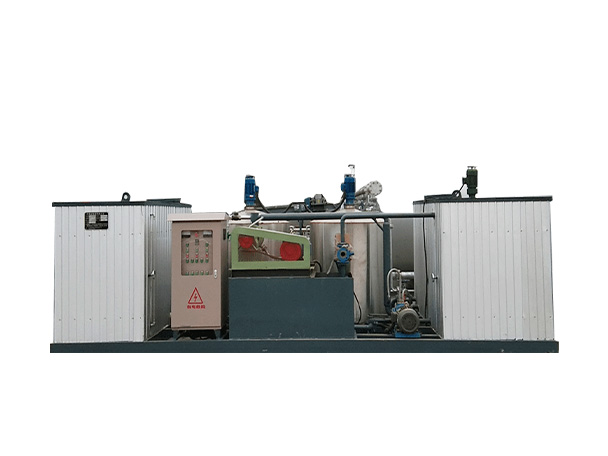
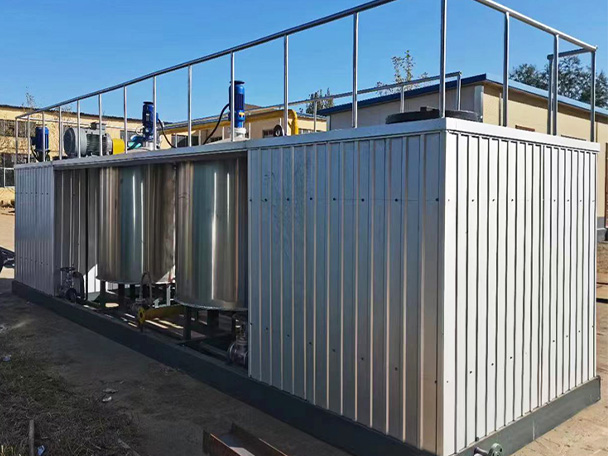
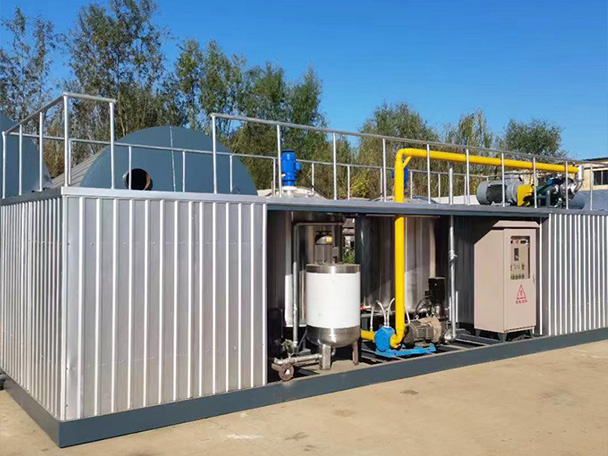
In the heating chamber of the hot-melt kettle, heat and melt the sealant until it reaches the specified construction temperature of 193°C.
Note: In the process of heating the sealant, it must be ensured that it is evenly heated. It is recommended to use heating equipment with heat transfer oil or hot air as the medium to prevent the sealant from burning. Therefore, when there is no equipment such as a hot melt kettle that can ensure that the material is evenly heated, a frying pan for heating asphalt or other direct heating equipment with an open flame cannot be used to heat the sealant. In order to ensure construction safety, traffic control should be carried out first. In accordance with the regulations on road maintenance traffic control in the "Technical Specifications for Highway Maintenance", cone-shaped signs and moving sign vehicles should be placed, and special personnel should be assigned to direct traffic and follow the construction progress. Move construction signs in time.
Slotting:
According to the designed notch size, adjust the width and depth of the slotting machine and then carry out the slotting operation. During the construction process, the traditional Chinese medicine adjusts the notch size in time according to the fission change and meets the minimum design requirements.
Seam cleaning:
Use a compressed air gun or a forest fire extinguisher to clean and dry the dust and debris in the tank and at least 5cm on both sides.
Preheating:
The sealant should be used when the road surface temperature exceeds 4°C. Use at low temperature may reduce the viscosity, and there is too much moisture in the cracks of the squid. If it is lower than 4°C, you can use an appropriate method to heat it to ensure that the minimum requirement is reached. If it is required to seal at temperatures below 4°C, it must be ensured that the cracks are dry and free from water and debris. The temperature of the sealant should be kept at a safe heating temperature, and the sealant should be inspected by a professional to ensure its viscosity.
Filling:
Under the condition that the sealant reaches 193°C, use a pressure nozzle with a leveler on the end of the joint to pour the sealant into the groove evenly.
Conservation:
After filling the joints with sealant, the traffic cannot be opened immediately, and the traffic must be opened after the sealant is sufficiently cooled. The general cooling time is about 15 minutes, and it can be flexibly controlled according to the temperature situation during specific implementation.
Product Message